Most weddings end the same way.
The music fades. The dance floor empties. The couple disappears into the night with sparklers and cheers and exhausted smiles.
Eventually the vendors pack their gear, say their goodbyes, and head home.
And somewhere along the way — on the drive back, in a group chat, or in the next conversation with another photographer — the stories start.
“The bride was so picky.”
“The timeline was a mess.”
“That mother-in-law was… a lot.”
Sometimes it’s harmless. Sometimes it’s funny. Most of the time it feels like nothing more than decompressing after a long day.
But it’s worth asking a question we don’t usually stop to consider:
What happens to the dignity of the people we serve once they’re no longer in the room?
Because the way we talk about clients after the wedding reveals more about us
than we might think.
When people become stories
Photography gives you a strange kind of access to people. You see them when they’re nervous. When they’re emotional. When they’re under pressure. When family dynamics begin to show.
You’re there for moments most people never witness.
And that kind of access carries responsibility. Because it’s very easy for the people you photograph to slowly become stories instead of people.
The bride becomes “the difficult one.”
The family becomes “the chaotic one.”
The couple becomes “the one with the crazy timeline.”
The moment gets retold enough times that the people inside it begin to shrink.
What was once a real person on one of the most meaningful days of their life becomes a quick anecdote for other photographers to nod at.
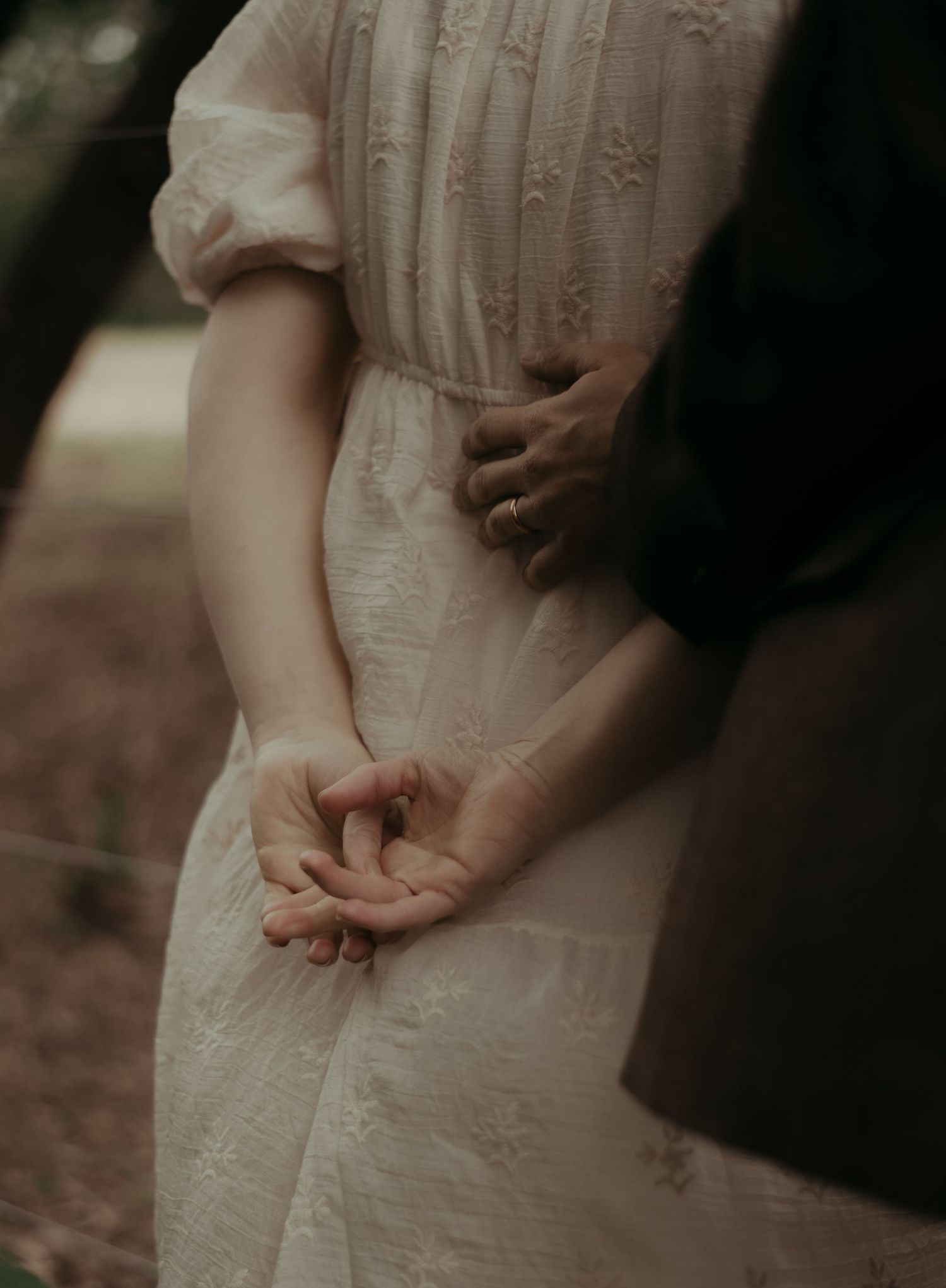
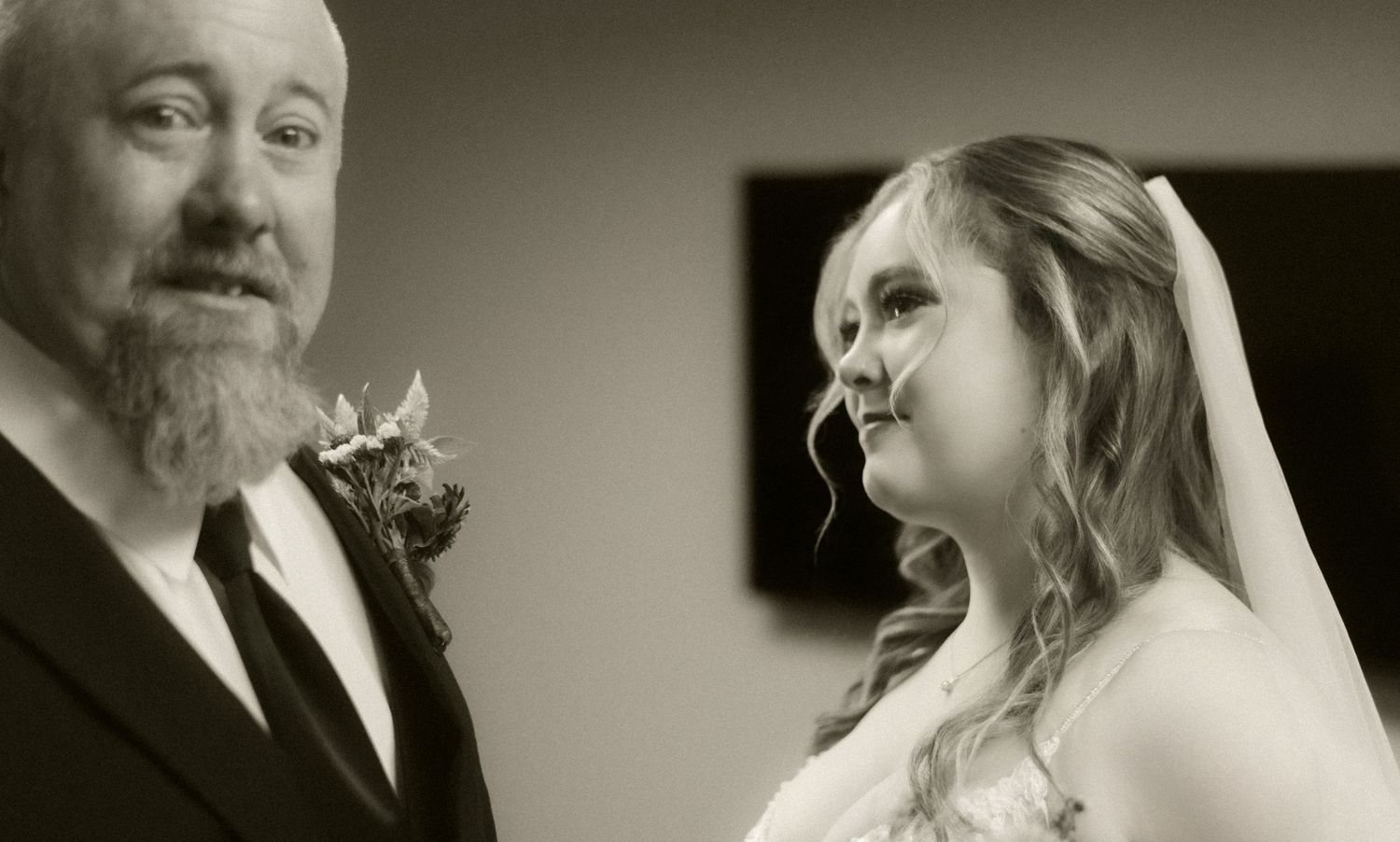
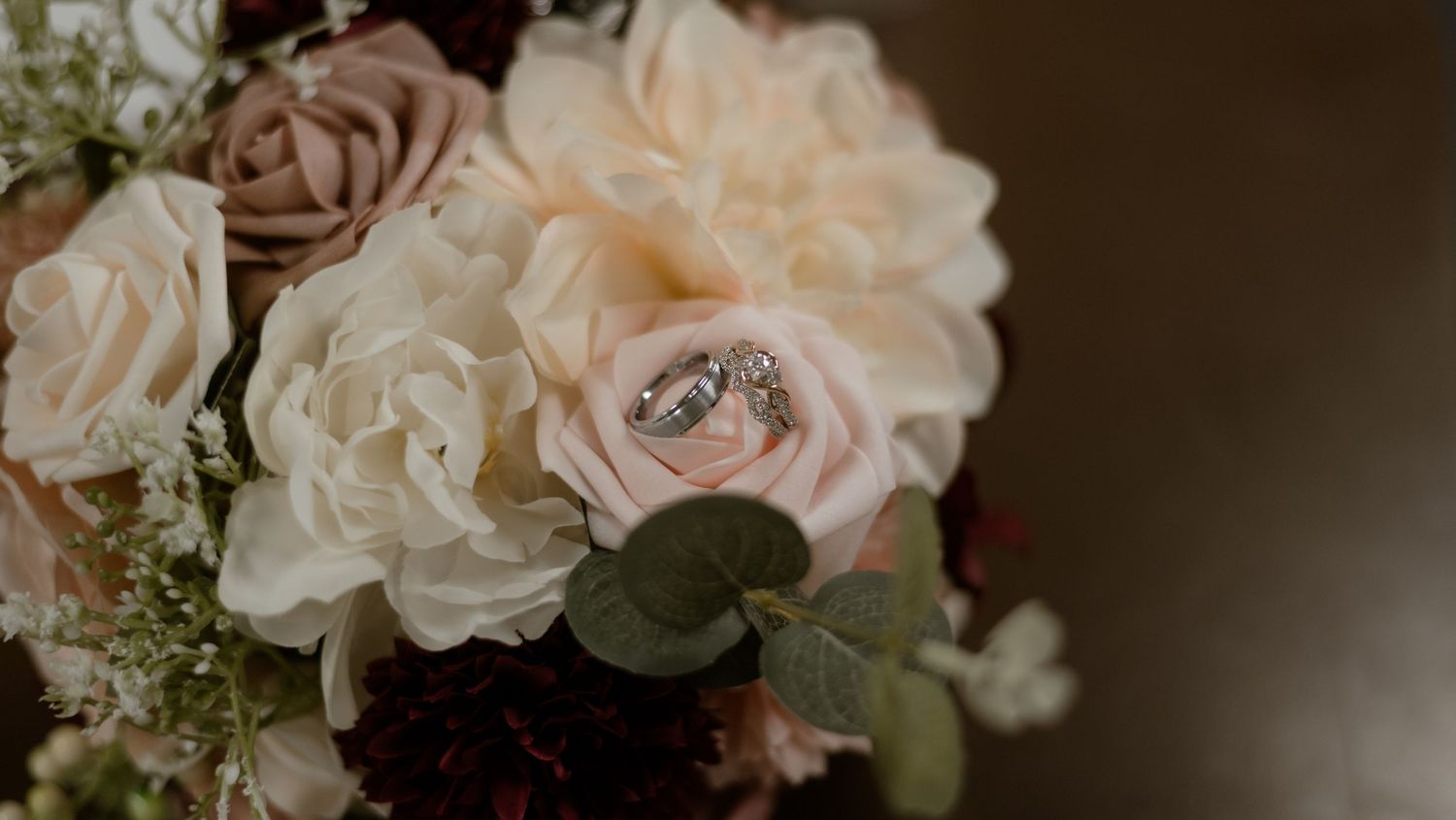
Something this series has been exposing in me
Over the past few weeks, as I’ve been writing these reflections about faith and photography, something unexpected has happened.
They’ve started exposing things in my own life too.
This is one of them.
I can think of moments where I’ve told stories about weddings or clients without really thinking about it. Nothing cruel. Nothing I would have called gossip at the time.
But the more I’ve reflected on it, the more I’ve realized how easily the people we photograph can become stories instead of people.
And that realization has been quietly convicting.
What we forget in those conversations
When we retell those moments, we forget things.
We forget the bride who has been carrying the pressure of that day for months.
We forget the parents who worked hard to make the wedding possible.
We forget the nervous groom who has never been in front of a camera before.
We forget that stress has a way of bringing out the worst in people — even in us.
And we forget something even more important.
Every single person in that room was made in the image of God.
Which means the bride you describe as “difficult” is someone Christ died for. The family you call “chaotic” is a group of people carrying stories you will never fully understand. The couple whose timeline frustrated you invited you into one of the most meaningful days of their lives.
Somewhere between packing up the gear and retelling the story, it becomes easy to forget that.
Gossip rarely calls itself gossip
Very few photographers would say they enjoy tearing people down.
Most of the time it doesn’t even feel like that.
It feels like venting.
Like relating.
Like sharing stories from the weekend.
But Scripture doesn’t soften the category just because the tone is casual.
If the people we serve would feel smaller hearing the way we describe them when they aren’t present, something has gone wrong.
Because following Christ doesn’t only shape how we speak to people.
It shapes how we speak about them.
The quiet witness of restraint
One of the most Christlike things you can do in a room full of creatives is surprisingly simple.
Refuse to join in.
Not with a speech. Not with self-righteousness. Just with quiet restraint.
Change the subject. Give people the benefit of the doubt. Protect someone’s dignity when it would be easier to laugh along. In an industry where stories about clients travel quickly, that kind of restraint becomes noticeable.
But more importantly, it becomes faithful.
Because the people you photograph trusted you with more than your camera.
They trusted you with proximity to their lives.
And the way you handle that trust after the day is over matters just as much (if not more!) as the way you handled it while you were there.
The reputation worth having
There are many ways to build a name as a photographer.
Talent. Style. Creativity. Recognition.
But there is another reputation that carries a different kind of weight.
Be the photographer who protects people when they aren’t in the room.
The one who refuses to turn someone else’s stressful moment into entertainment. The one who remembers that every wedding day you photograph is filled with people whose stories you will only ever see a small part of.
Because the way you speak about people always reveals what you believe about them.
And for a Christian photographer, every client is more than a booking.
They are someone made in the image of God.
“Let no corrupting talk come out of your mouths, but only such as is good for building up, as fits the occasion, that it may give grace to those who hear.”
— Ephesians 4:29