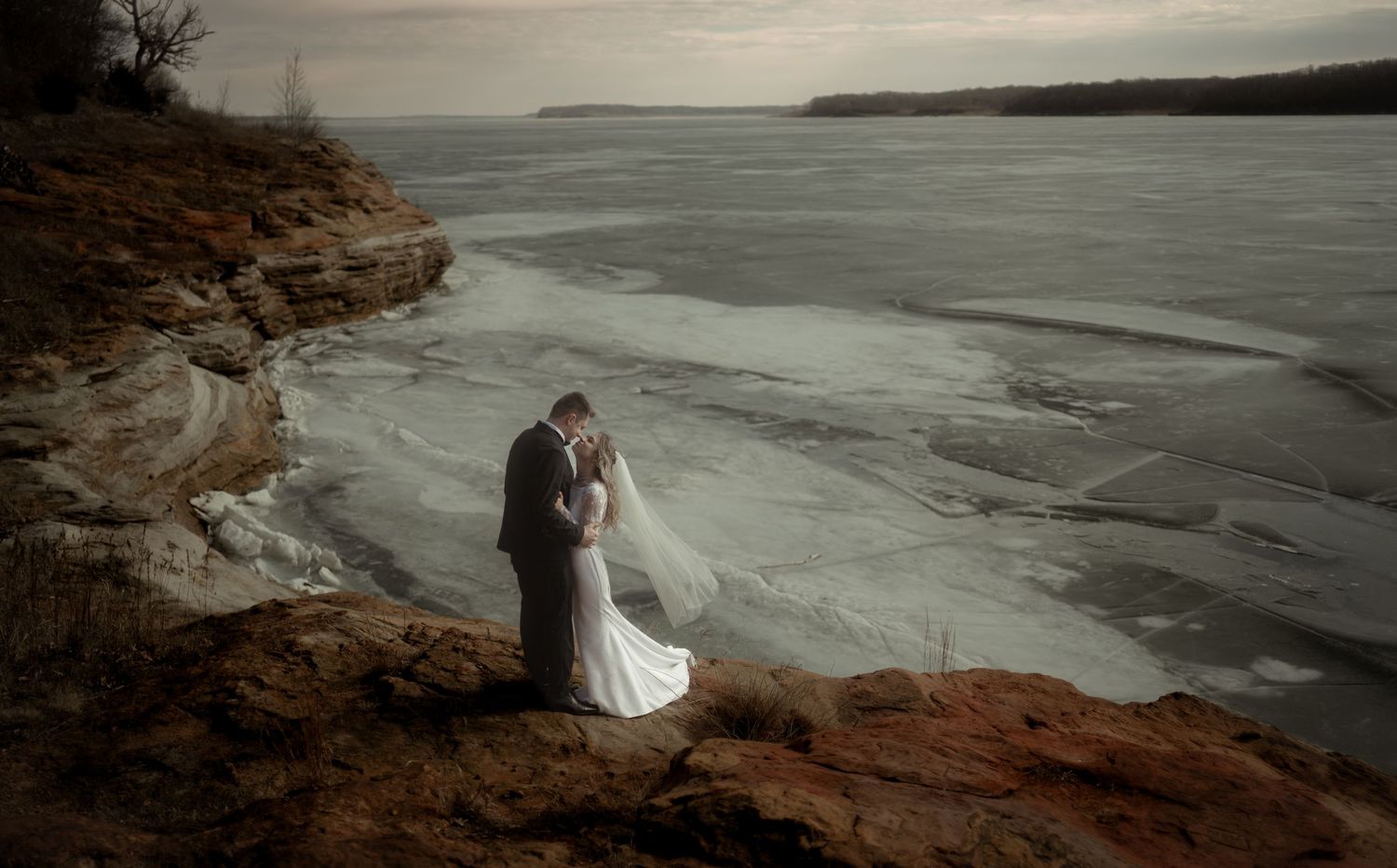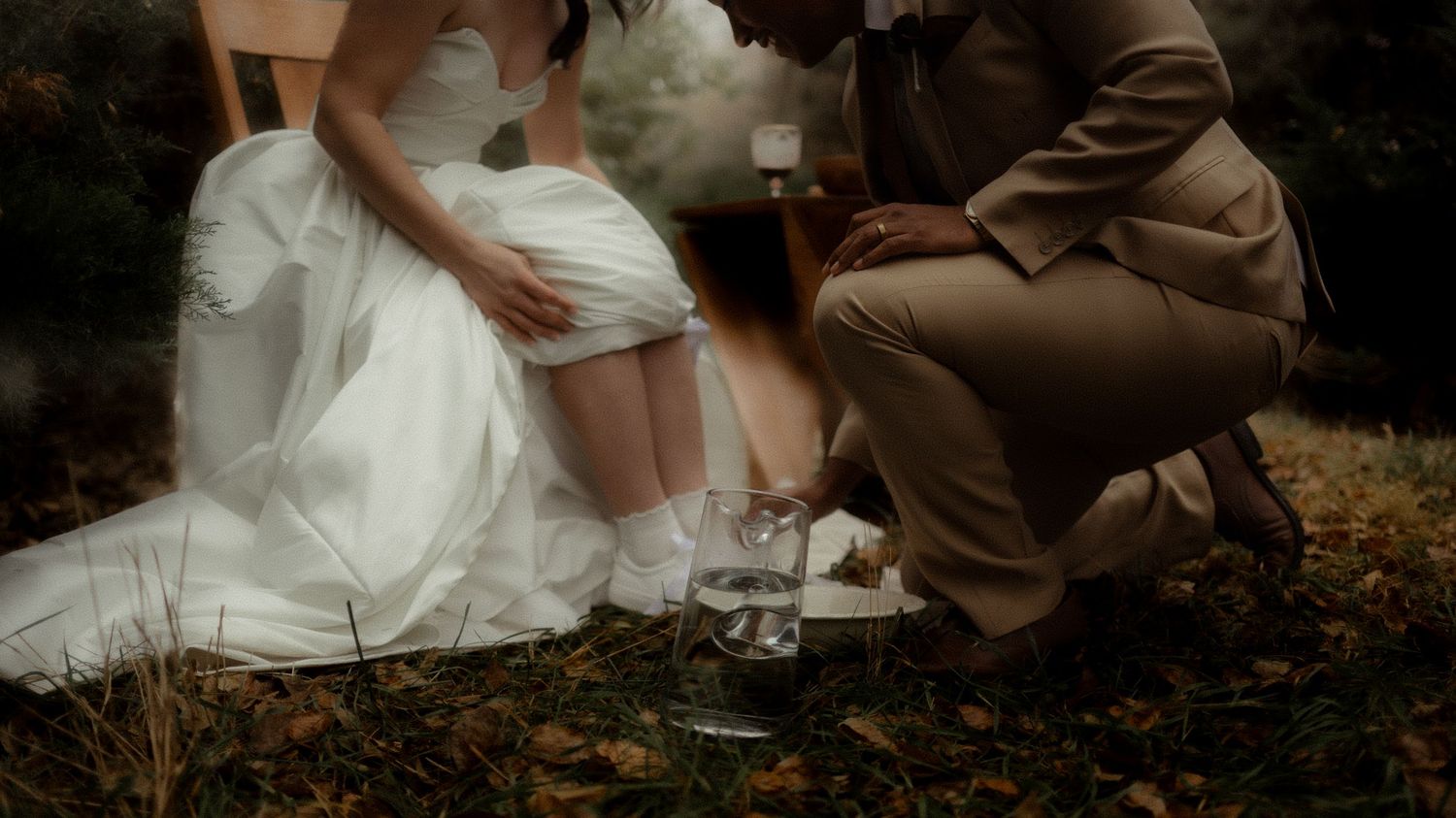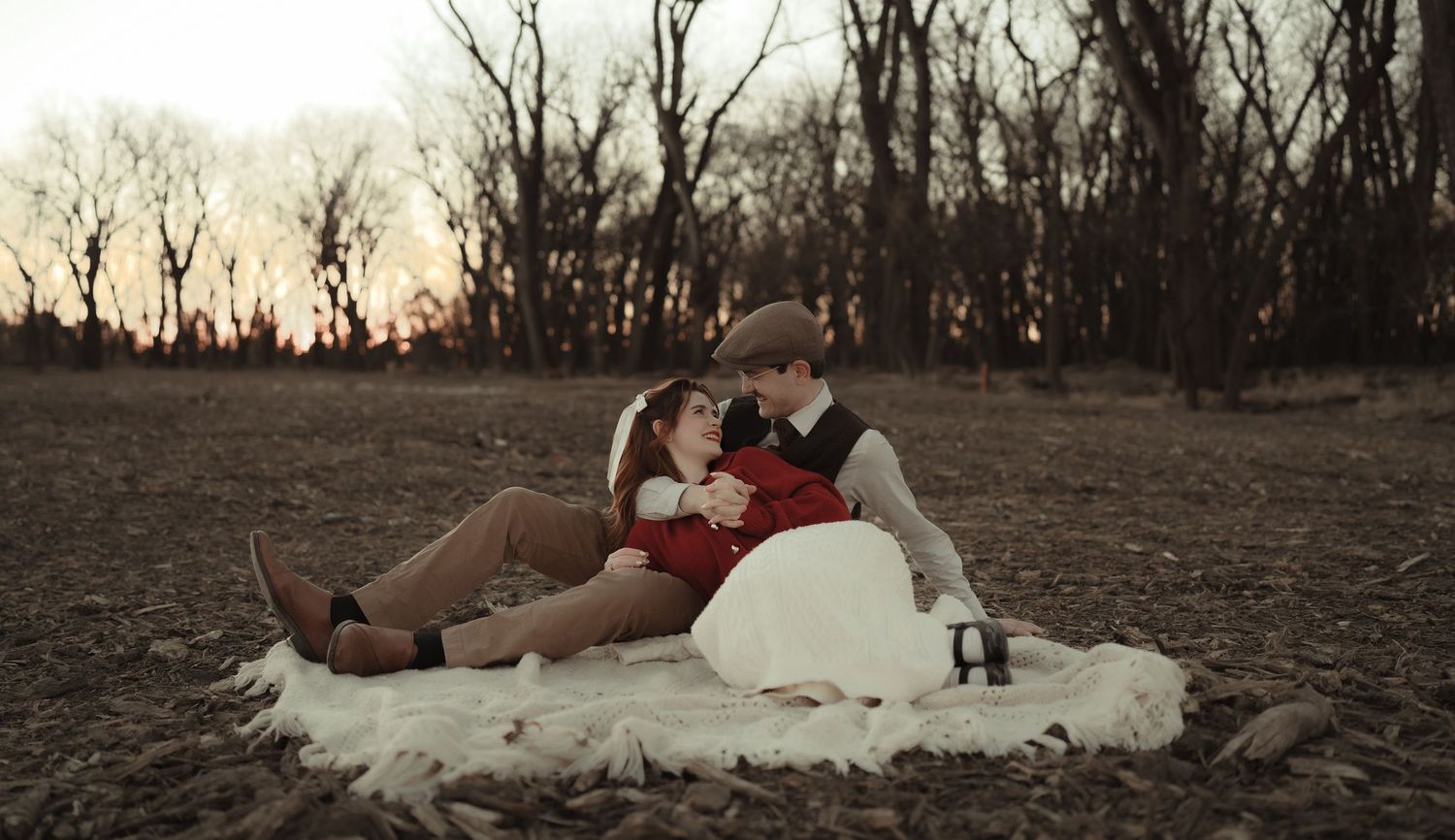
Valentine’s Day has a weird side effect: it convinces couples that love is something you present.
You’re supposed to look like you’ve got it figured out. Like you’re always on the same page. Like you’re effortlessly romantic. Like your relationship is tidy enough to be photographed.
That’s not most relationships. Most relationships are two people trying, adjusting, misunderstanding each other a little, then coming back. Real love is practical; it has friction; it has seasons where you’re more in sync and seasons where you’re not. It has errands. It has late nights. It has “I’m tired” and “can we talk about this tomorrow?” and “I’m sorry, I didn’t mean it like that.”
So here’s the perspective people almost never consider:
The most valuable thing a photo can do for a relationship isn’t documenting how it looked. It’s documenting how it felt to be in it.
That sounds like a contradiction, because photos are visual. But think about how memory works. You don’t remember last year as one continuous movie; you remember it as a handful of snapshots your brain decided mattered. Your mind uses evidence to tell a story about your life. And whether we admit it or not, we do the same thing with our relationships.
When you’re stressed, when you’re disconnected, when life gets loud, your brain starts collecting different evidence. It notices what’s missing. It highlights what’s hard. It starts telling a story that can feel like: We’re not okay. Or We’re not as close as we used to be. Or Maybe this is just what adulthood does to people.
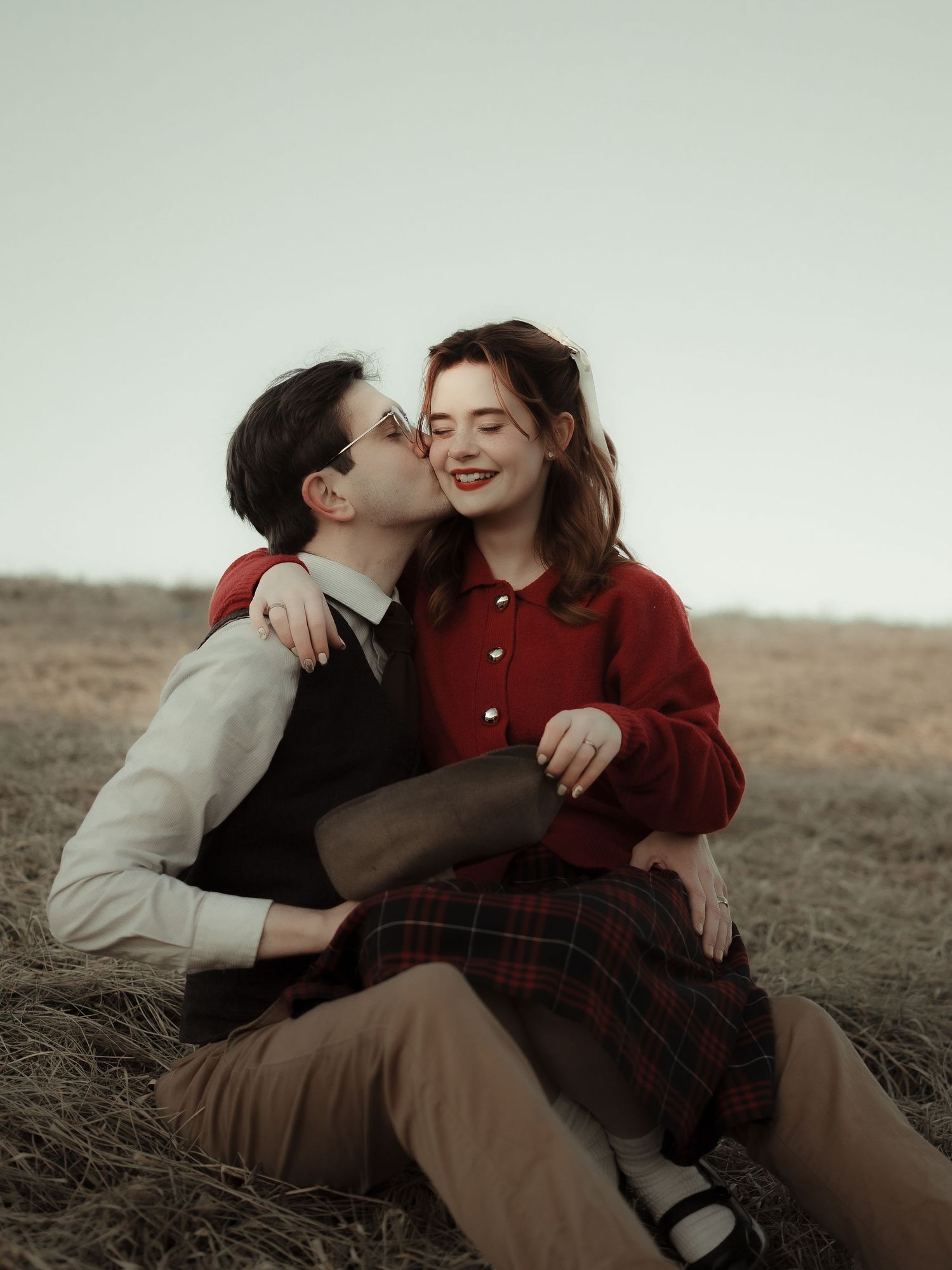
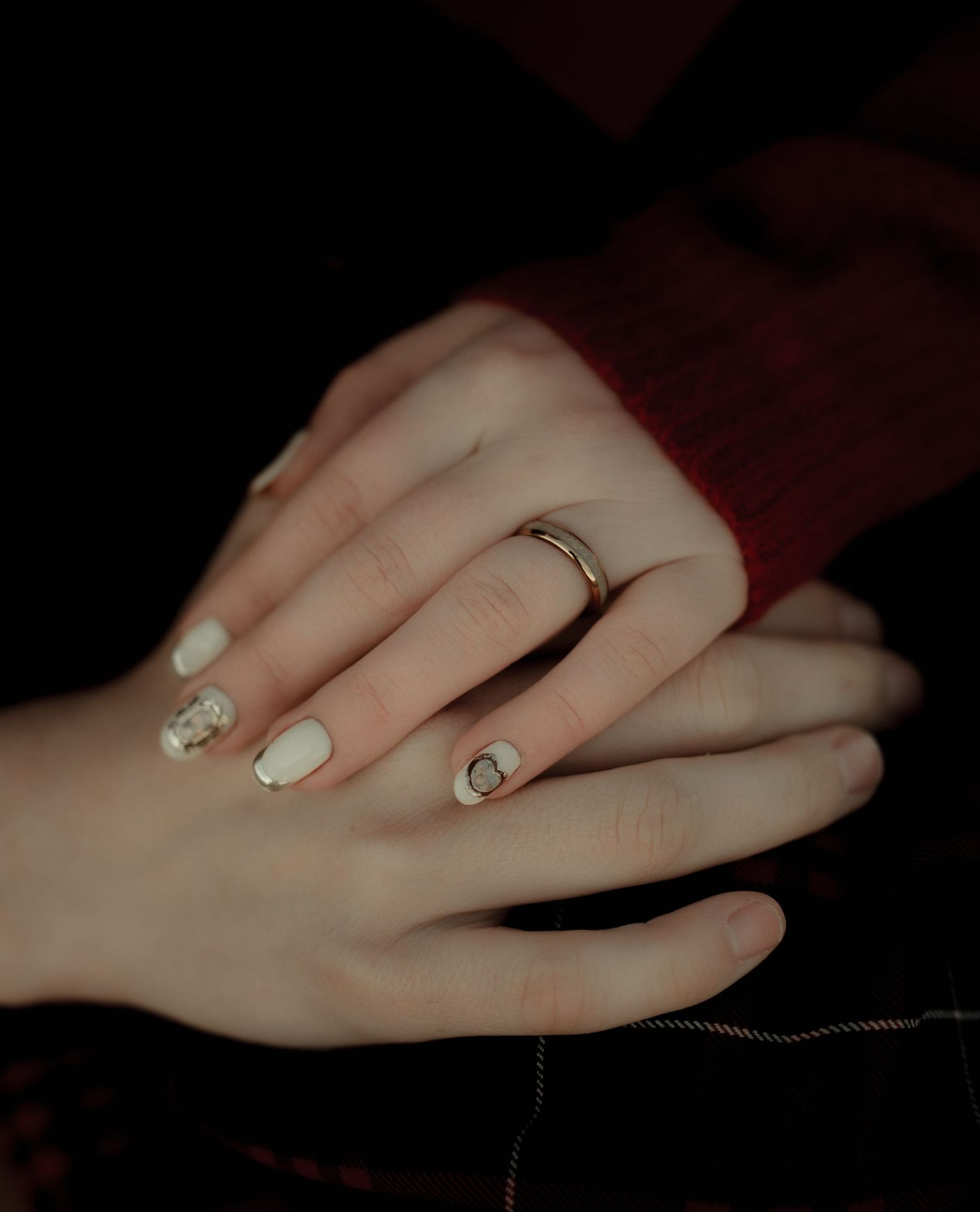
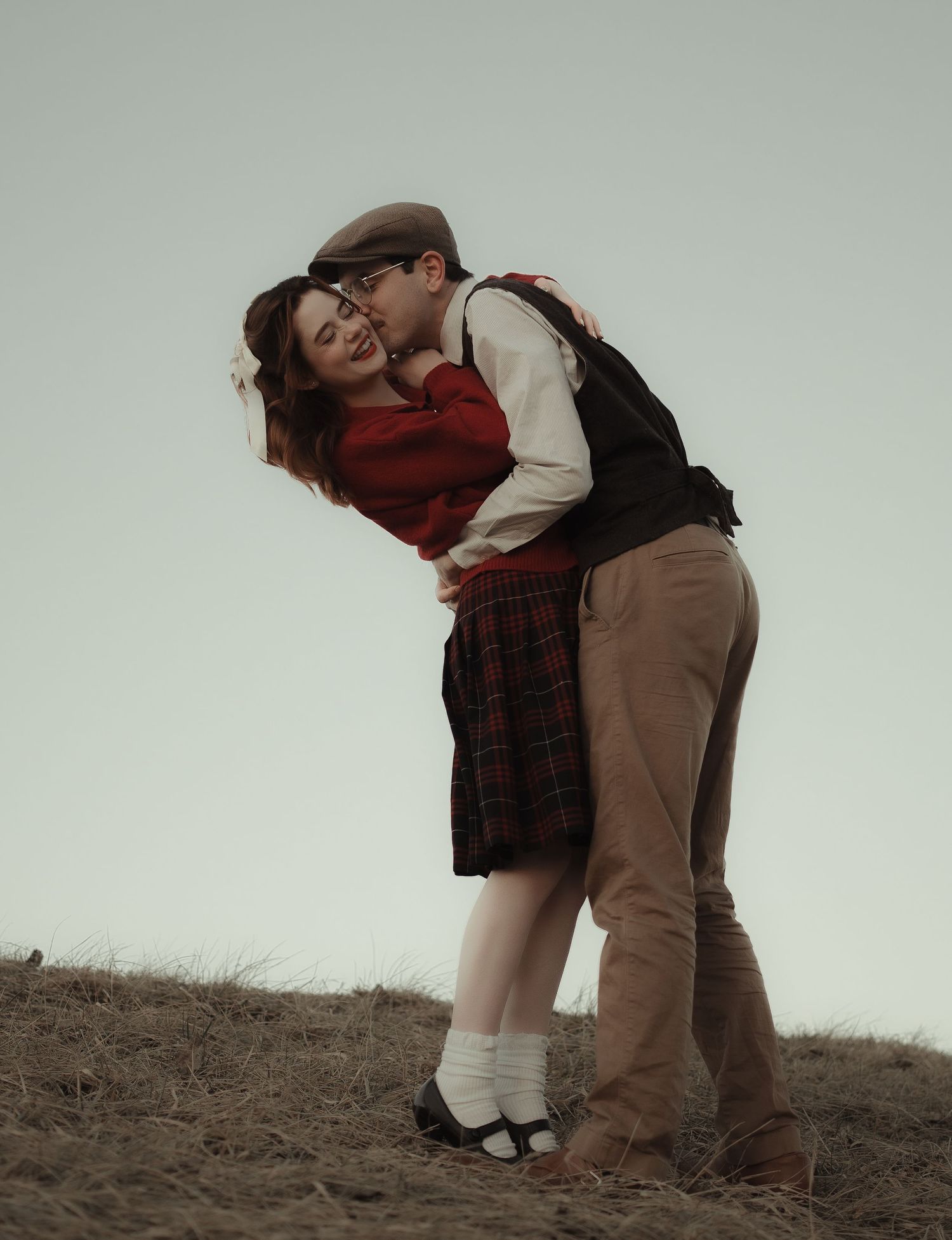
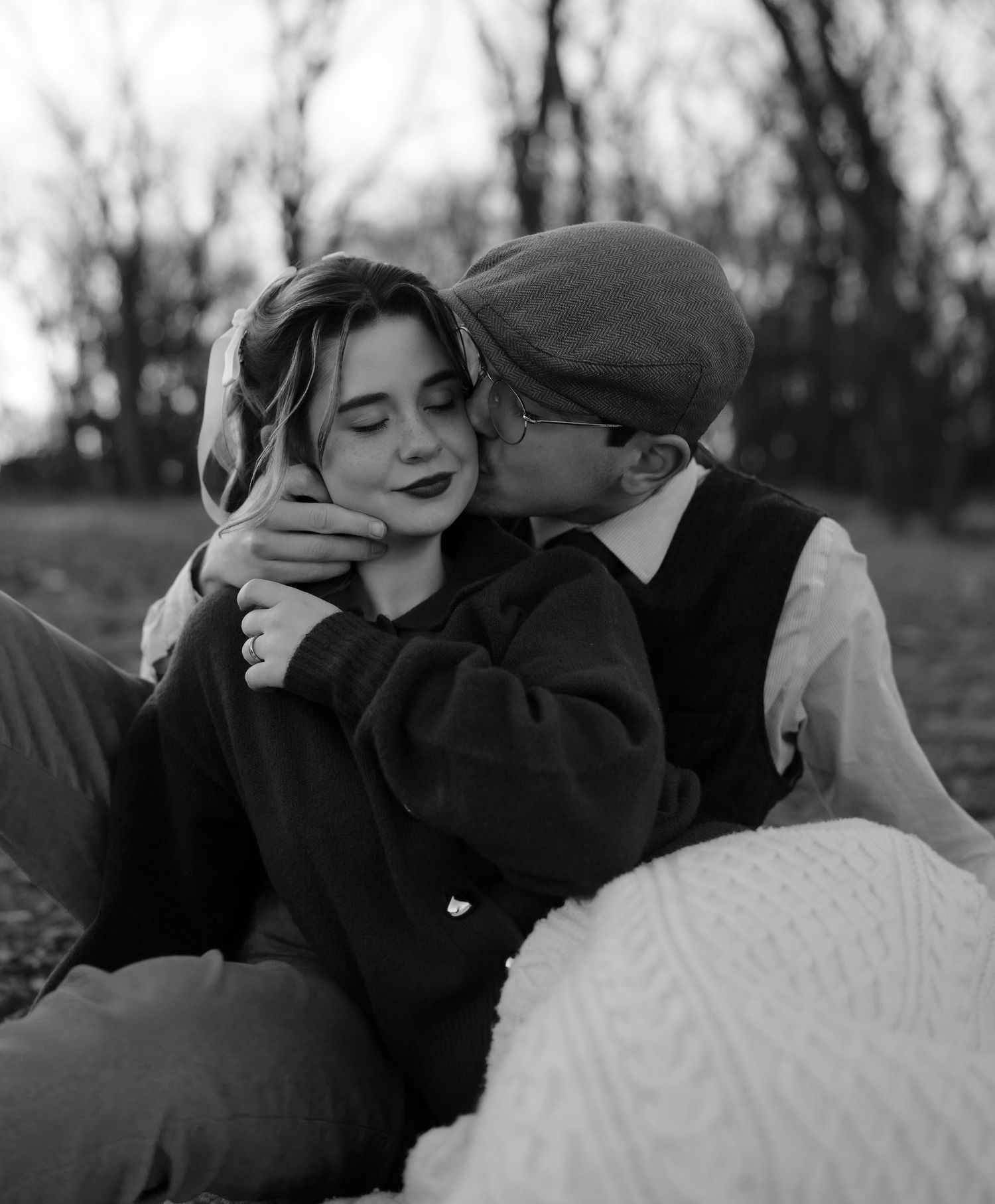
Most couples don’t need a grand romantic gesture. They need something smaller and stranger and more powerful:
They need proof.
Not proof for the internet. Proof for themselves.
Proof that you still laugh together. Proof that you still fit together in the small ways. Proof that there’s softness under the logistics. Proof that your partner still looks at you like you matter, even if you haven’t been sleeping enough lately.
We live in a culture that treats photographs like decoration, but they function more like mirrors. And mirrors don’t just show you what’s there; they shape what you believe.
If you never intentionally capture your relationship, you end up relying on whatever random images exist: the blurry group photo, the rushed selfie in bad light, the holiday picture where you’re both tense because someone was running late. Those become the “official record,” whether you mean for them to or not.
Then time passes. You scroll. That record quietly teaches you something.
For a lot of couples, it teaches the wrong thing.
It teaches, “We don’t really do things like this.”
It teaches, “We don’t look good together.”
It teaches, “We don’t have anything worth capturing.”
None of that is true. It’s just what happens when the only evidence you collect is accidental.
An anti-perfection love story does the opposite. It says: we’re going to document us as we are, not when we’ve earned it.
Not when we’ve hit a milestone. Not when we’ve improved ourselves into being camera-ready. Not when life finally calms down. Now; in the middle of everything. Because the middle is the part you’ll lose first.
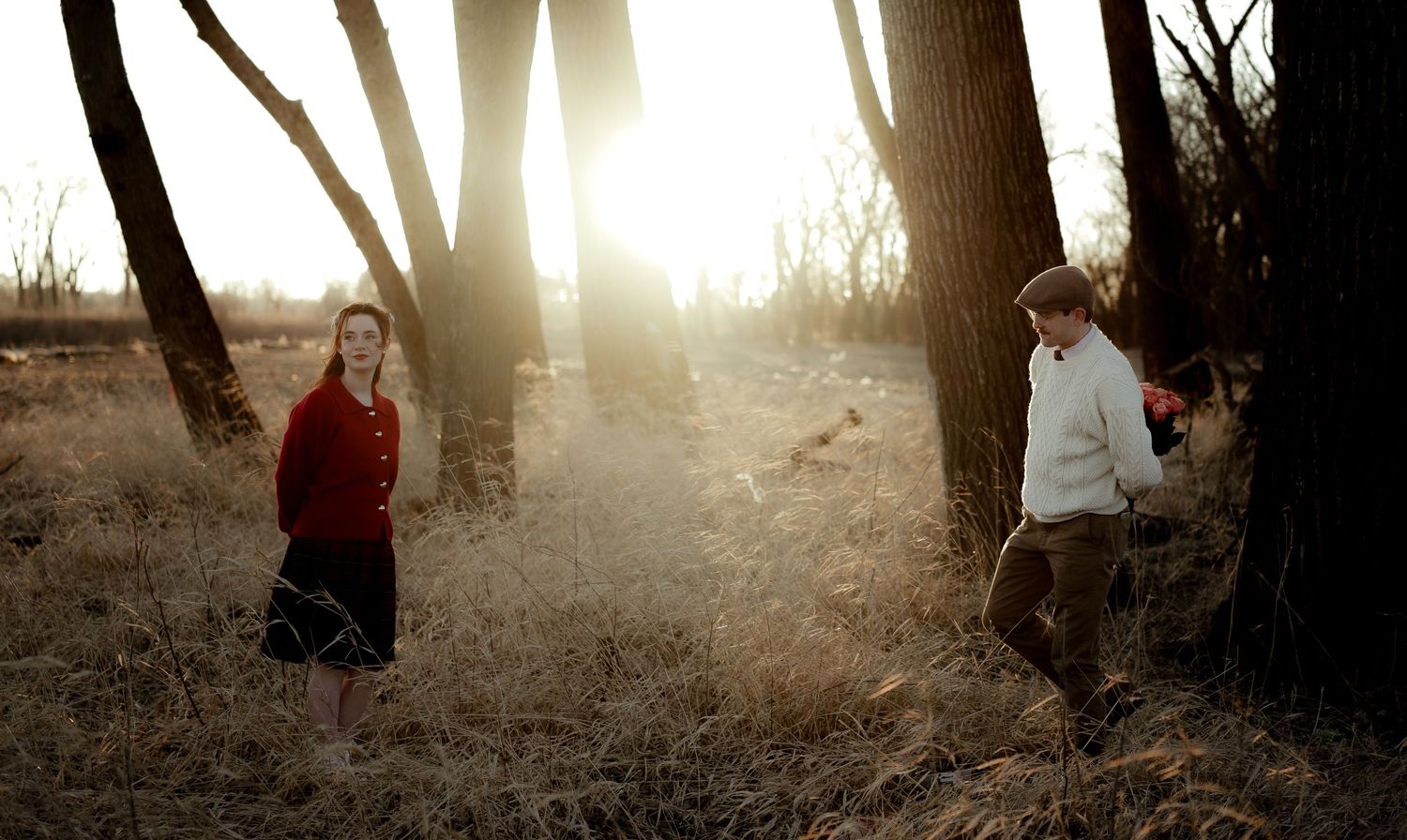
Here’s the part that’s hard to say out loud, but it’s honest:
If you wait until you feel perfect, you’ll never document the seasons that actually made you.
The early years when you were still learning each other. The year you were overwhelmed and still chose each other anyway. The season where you didn’t feel your best but you were loved in it. The ordinary stretch where nothing “big” happened, but somehow those were the days you later miss the most.
This is why photos can be good for a relationship in a way people don’t talk about.
A well-shot session isn’t about posing; it’s about interrupting autopilot. For an hour, you stop being managers of a shared life and become two people in a relationship again. You look at each other on purpose. You stand close without multitasking. You laugh because you’re a little uncomfortable at first, then you relax because you realize you’re safe. You remember what your partner’s face looks like when they’re fully paying attention to you.
That’s not fluff. That’s attachment maintenance.
And the images you get out of it become a kind of emotional asset. Later, when you’re in a rough week, you don’t have to guess whether the closeness was real; you can see it. Your brain can’t argue with it as easily. You have evidence that the story “we’re not okay” isn’t the full story.
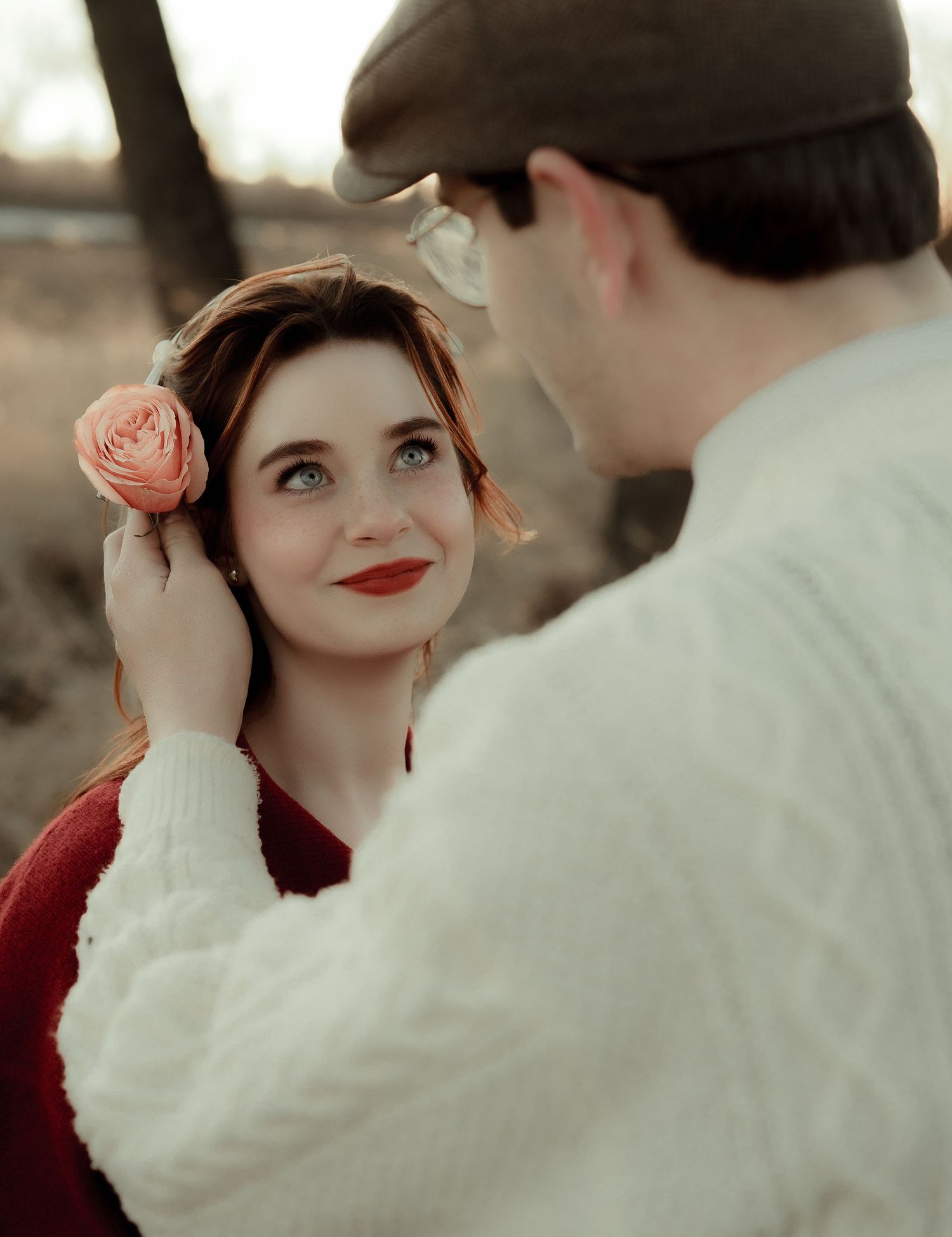
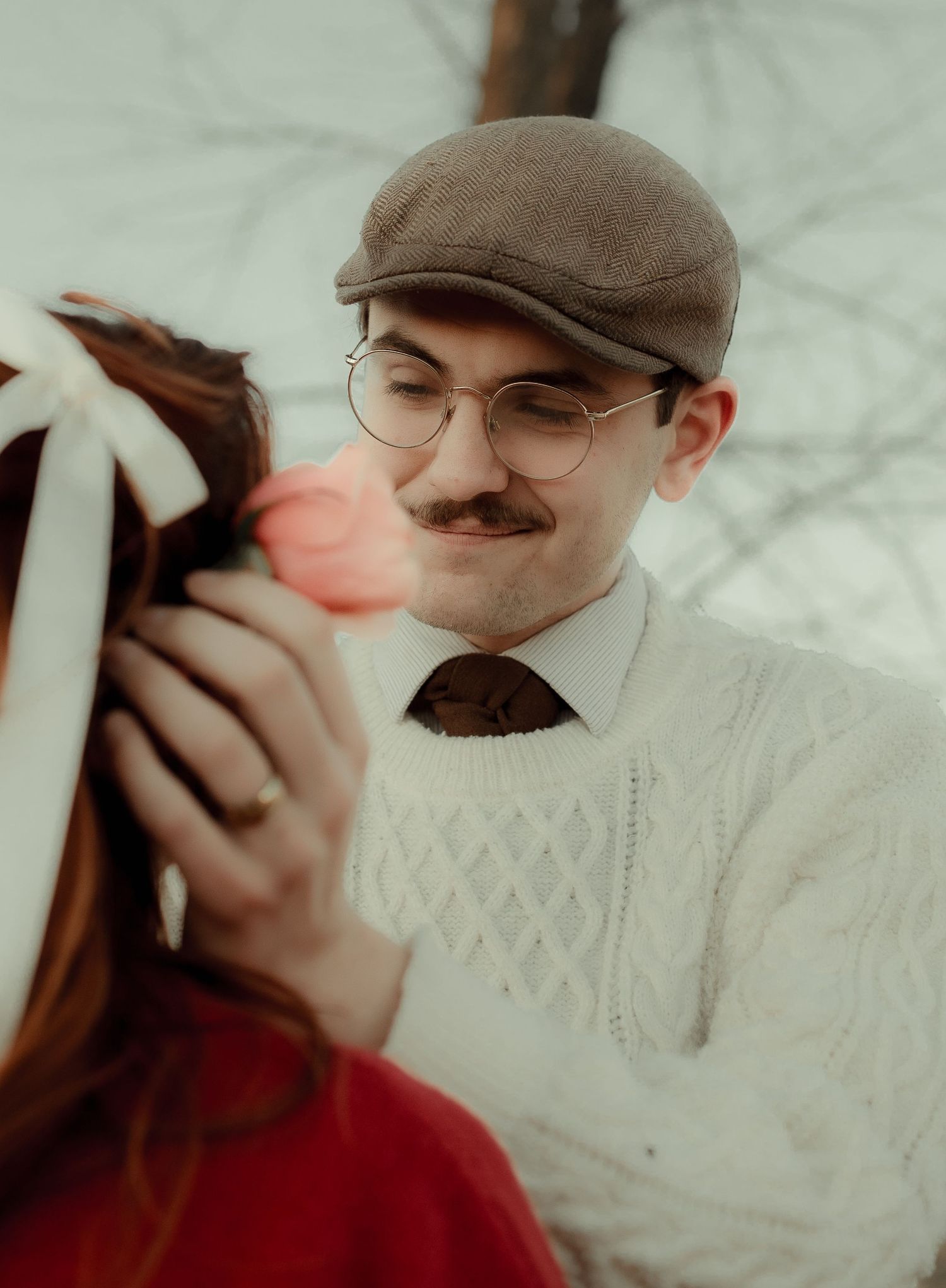
That’s the anti-perfection version of romance: not a performance, not a fantasy, not a curated moment designed to impress strangers.
Just a decision to keep the truth.
So if you’ve been thinking about doing photos together, don’t wait for the version of you that feels more polished.
Document the version that’s actually living your life. The version that’s figuring it out. The version that has tenderness even when it’s tired.
Because that’s what you’ll want to remember.
And because the most underrated form of intimacy is being seen as you are; and choosing to keep that proof. <3
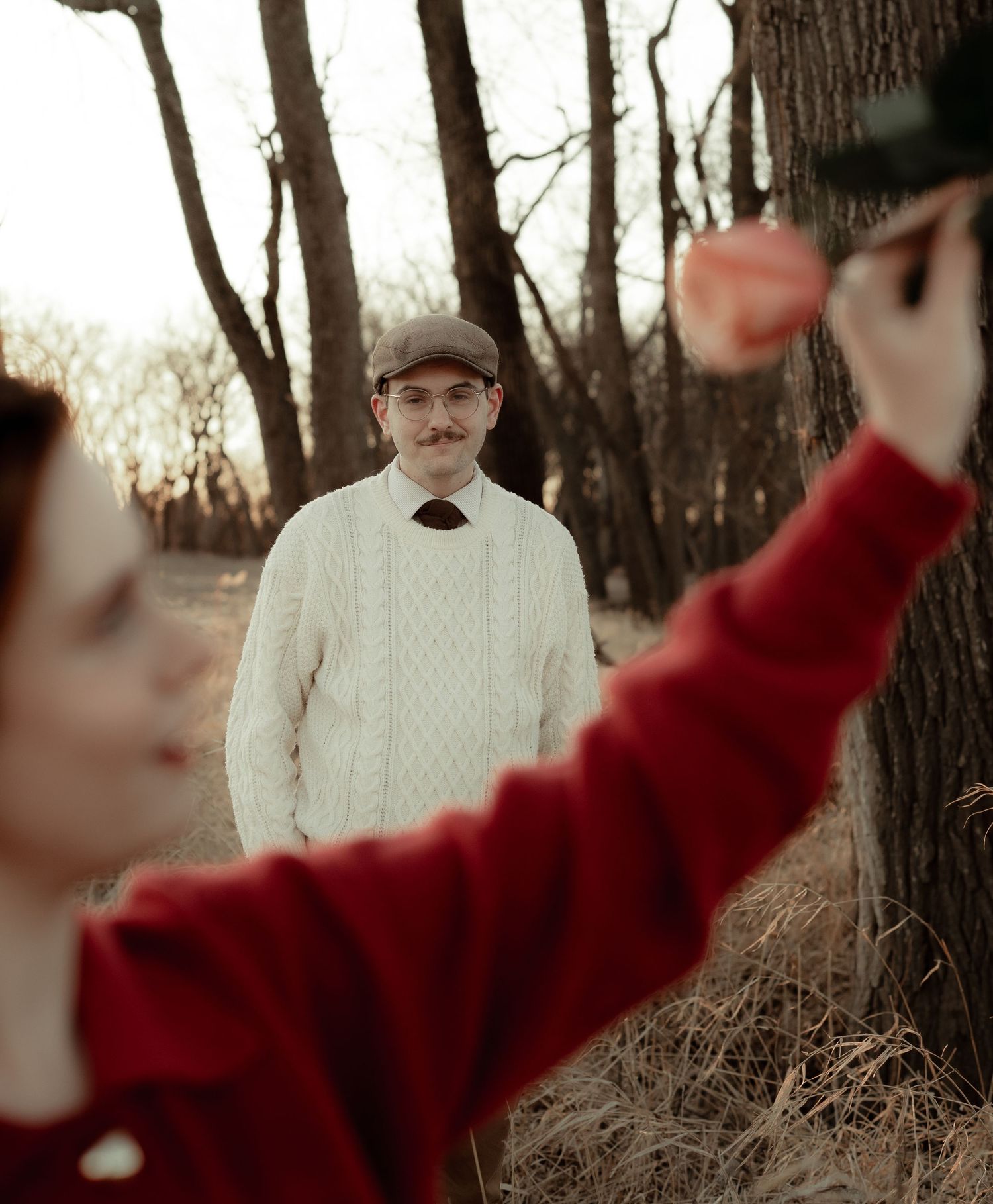
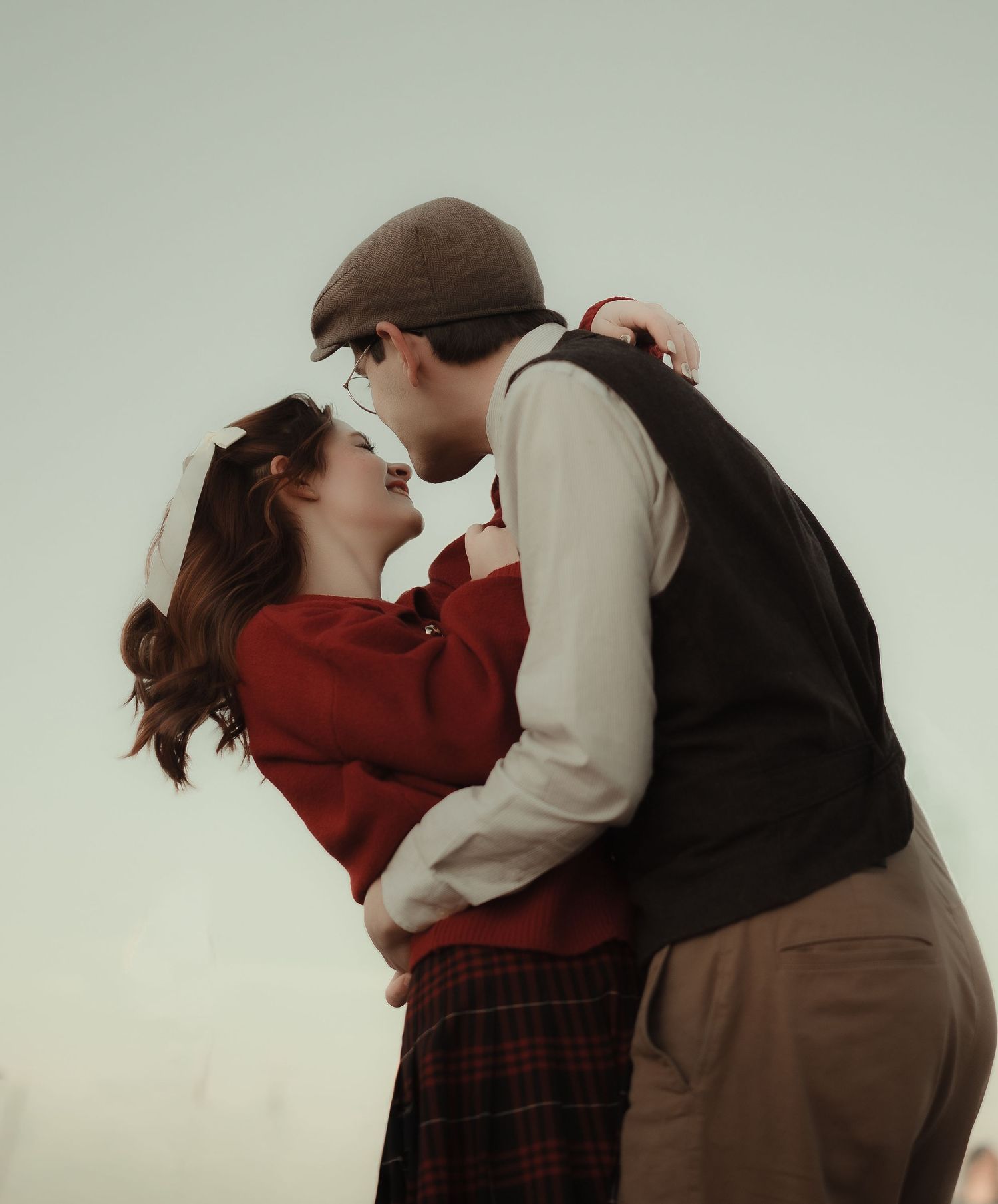
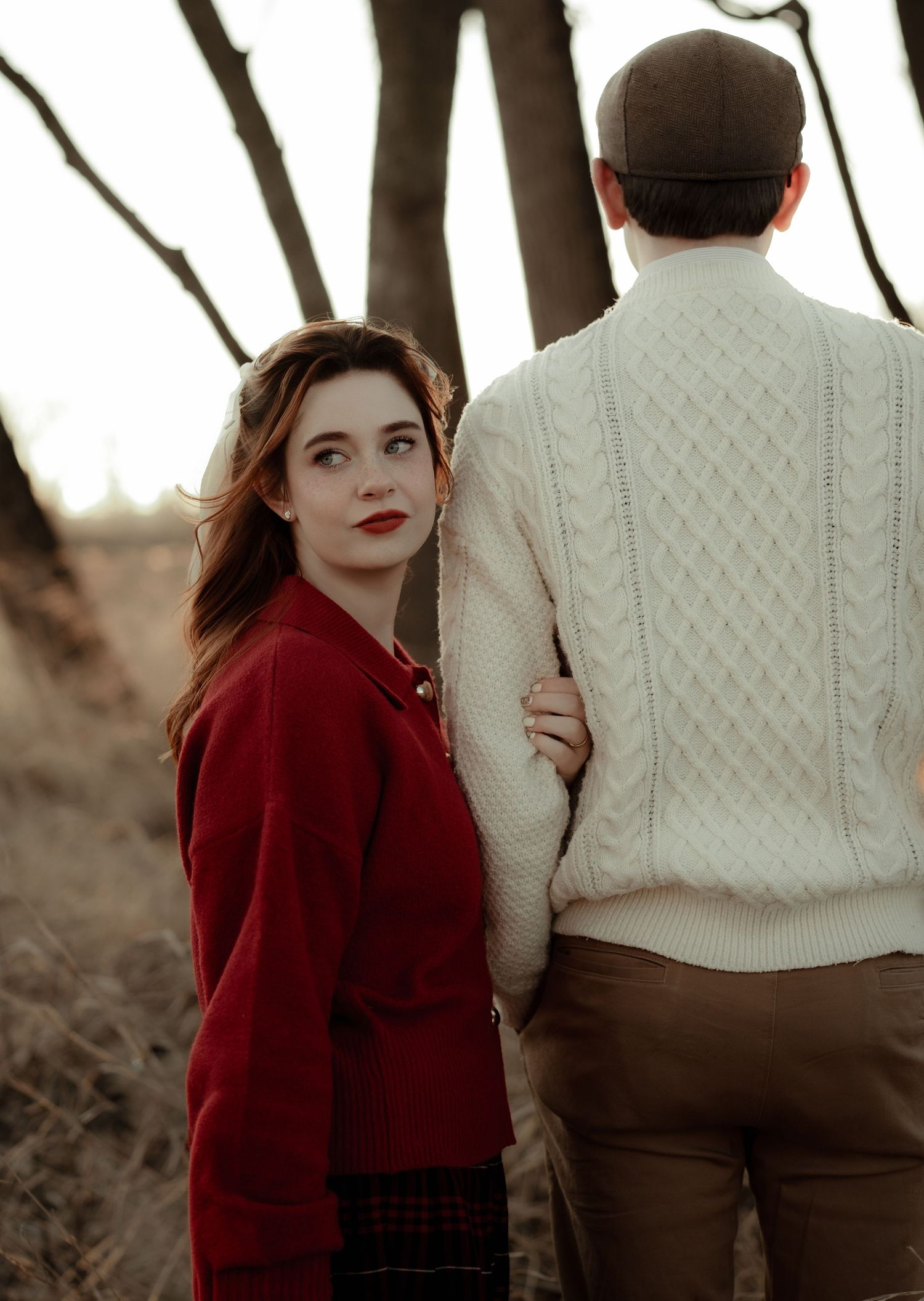
PHOTO CREDS:
Shot by: Heinrich's Heirlooms
Edited by: Forest Film Photo + Video
Photos are of us! Read our story here >> About: Dutch & Maggie Mendenhall
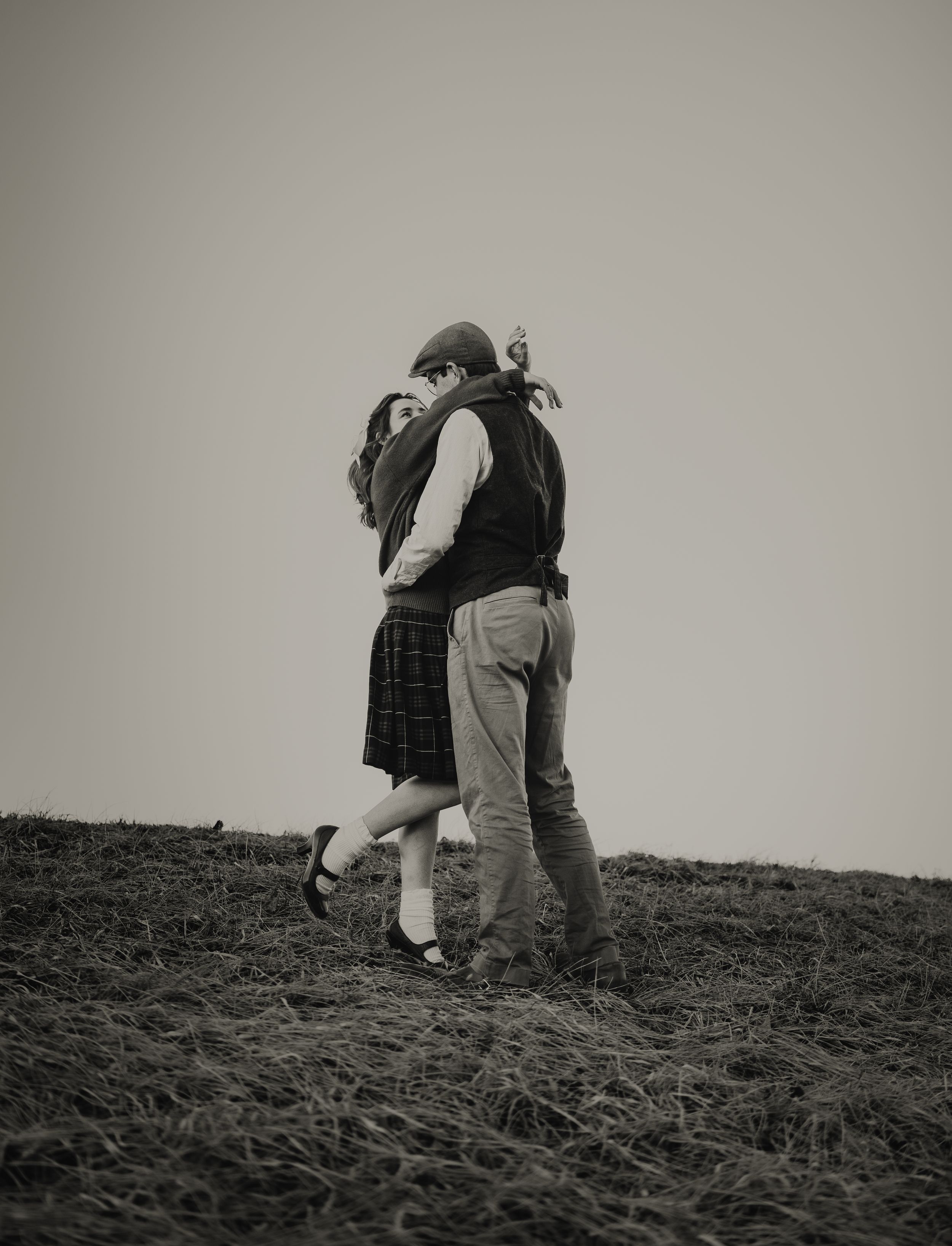
14% off all sessions until midnight February 14th, 2026
If this season of your relationship matters to you, don’t let it pass undocumented. You don’t need a milestone or a perfect version of yourselves; you just need to decide it’s worth keeping.
Explore our couples sessions and see what it looks like to document your relationship as it actually is.