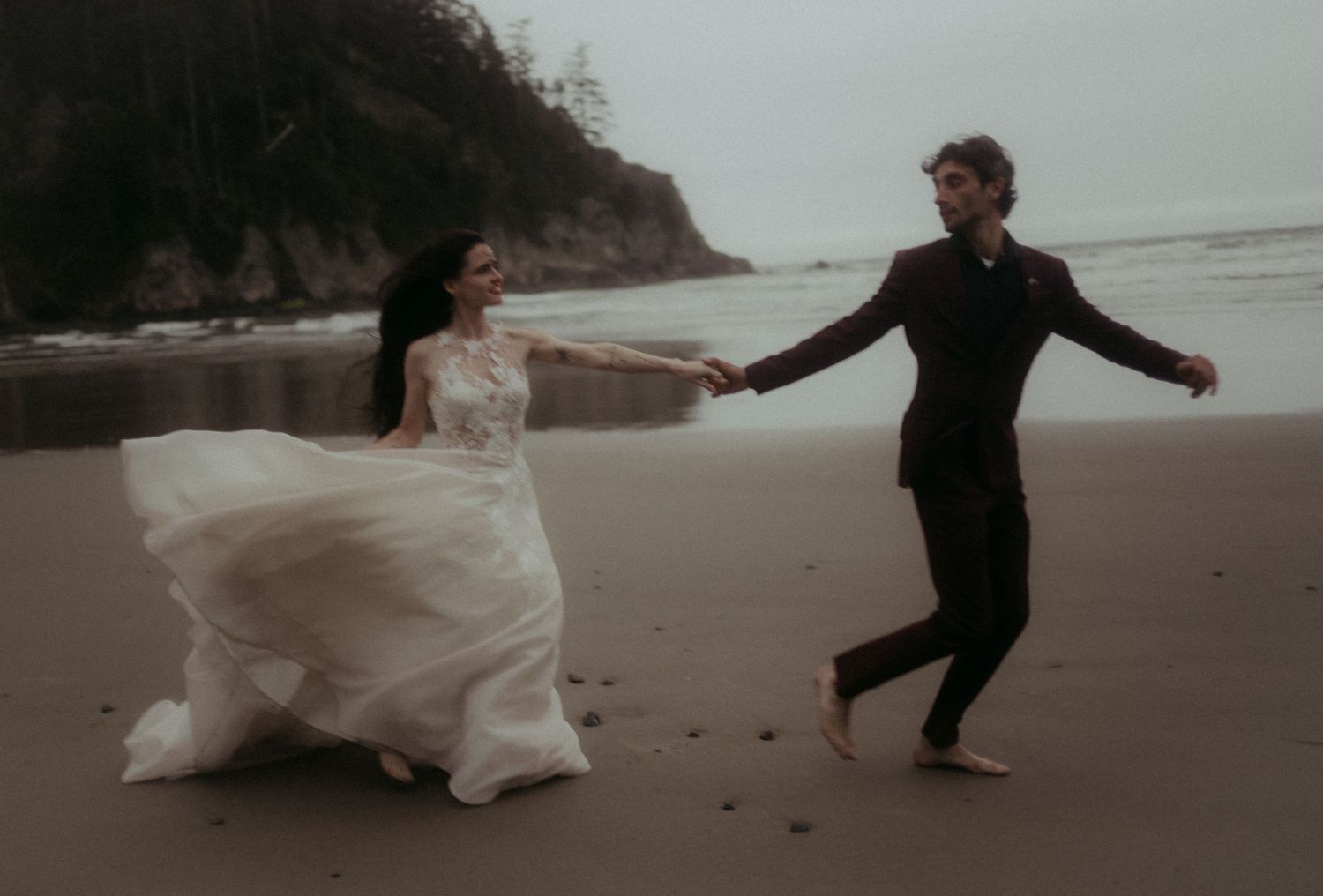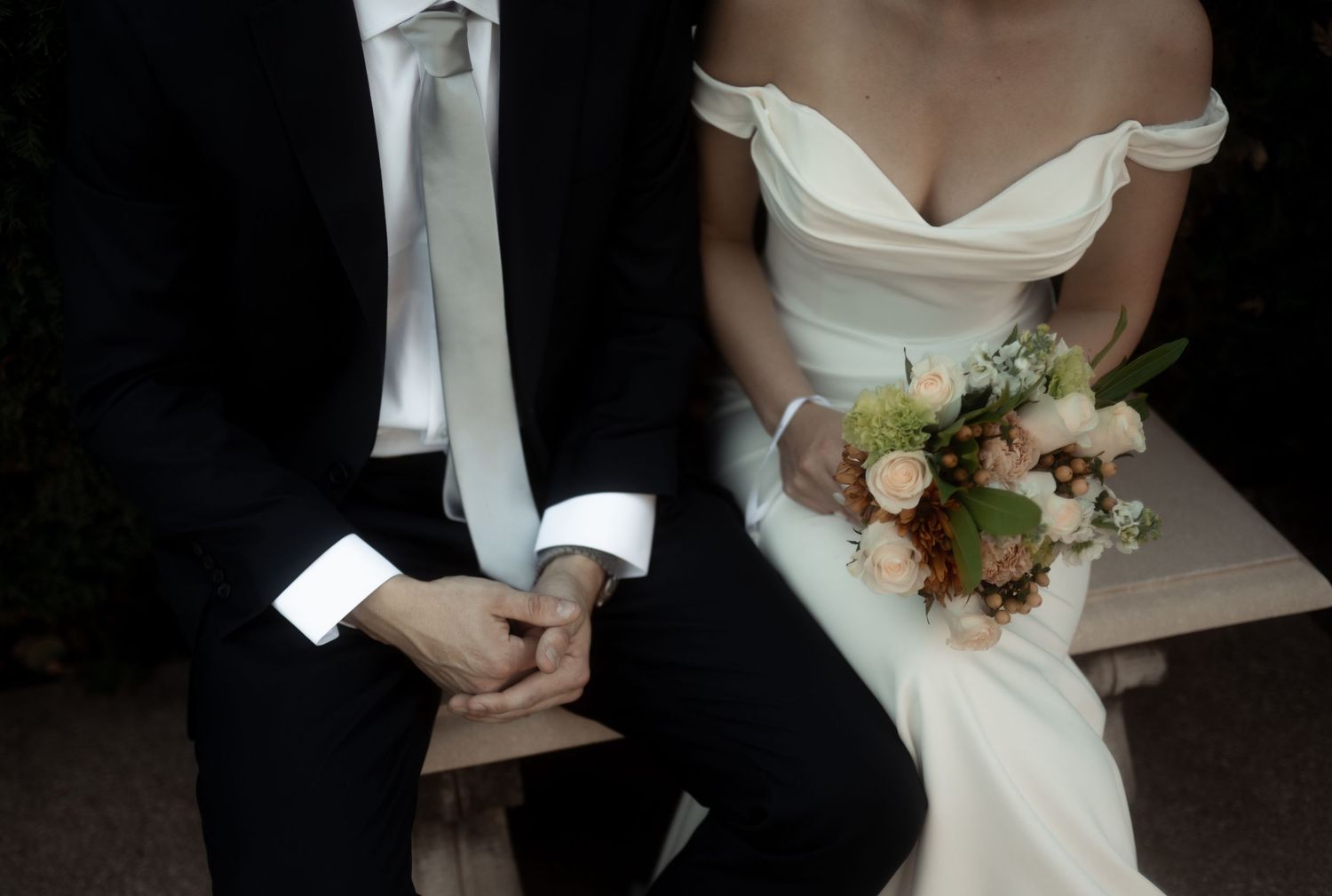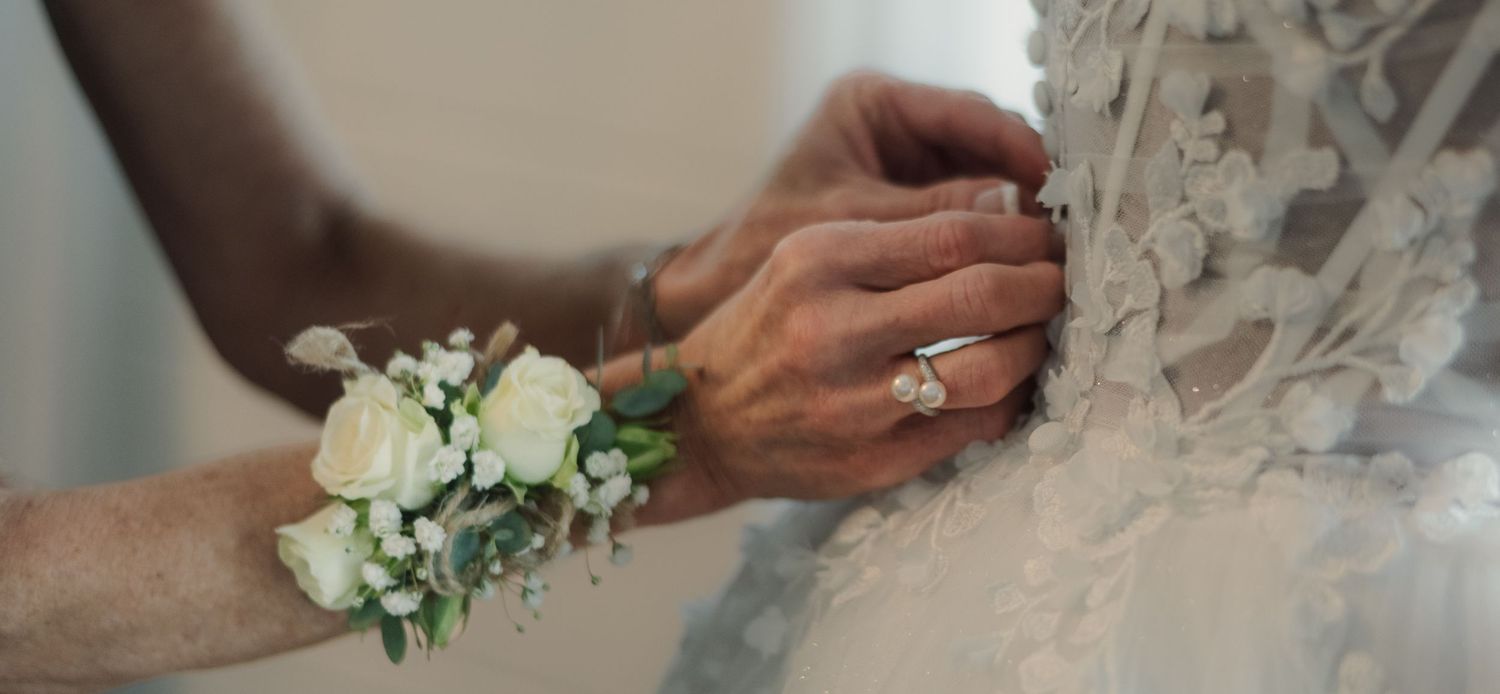
There’s a reason some family photo sessions feel effortless and natural…
…and others feel stiff, chaotic, and slightly painful.
It’s not the kids. It’s not whether everyone smiled perfectly. And it’s definitely not whether you bought new outfits.
After years of watching sessions unfold in real time, I can tell you this: the difference is usually decided before the first photo is even taken.
Here are five things most families don’t realize — and that quietly change everything.
The Season You Choose Affects Stress Levels More Than the Background
Most people pick a season based on color.
But the real difference between spring and fall isn’t just leaves.
It’s pressure.
Fall is beautiful. The tones are rich. The light is warm. But fall is also busy. School schedules. Sports. Holidays around the corner. There’s often an unspoken urgency: “We need this for holiday cards.”
That urgency shows up in body language.
Spring, on the other hand, tends to feel lighter. There’s less deadline pressure. The greens are softer. The air feels open instead of dense. Families often arrive more relaxed simply because their calendars aren’t as compressed.
And relaxed families photograph differently.
This doesn’t mean fall is wrong. It means mood matters more than foliage.
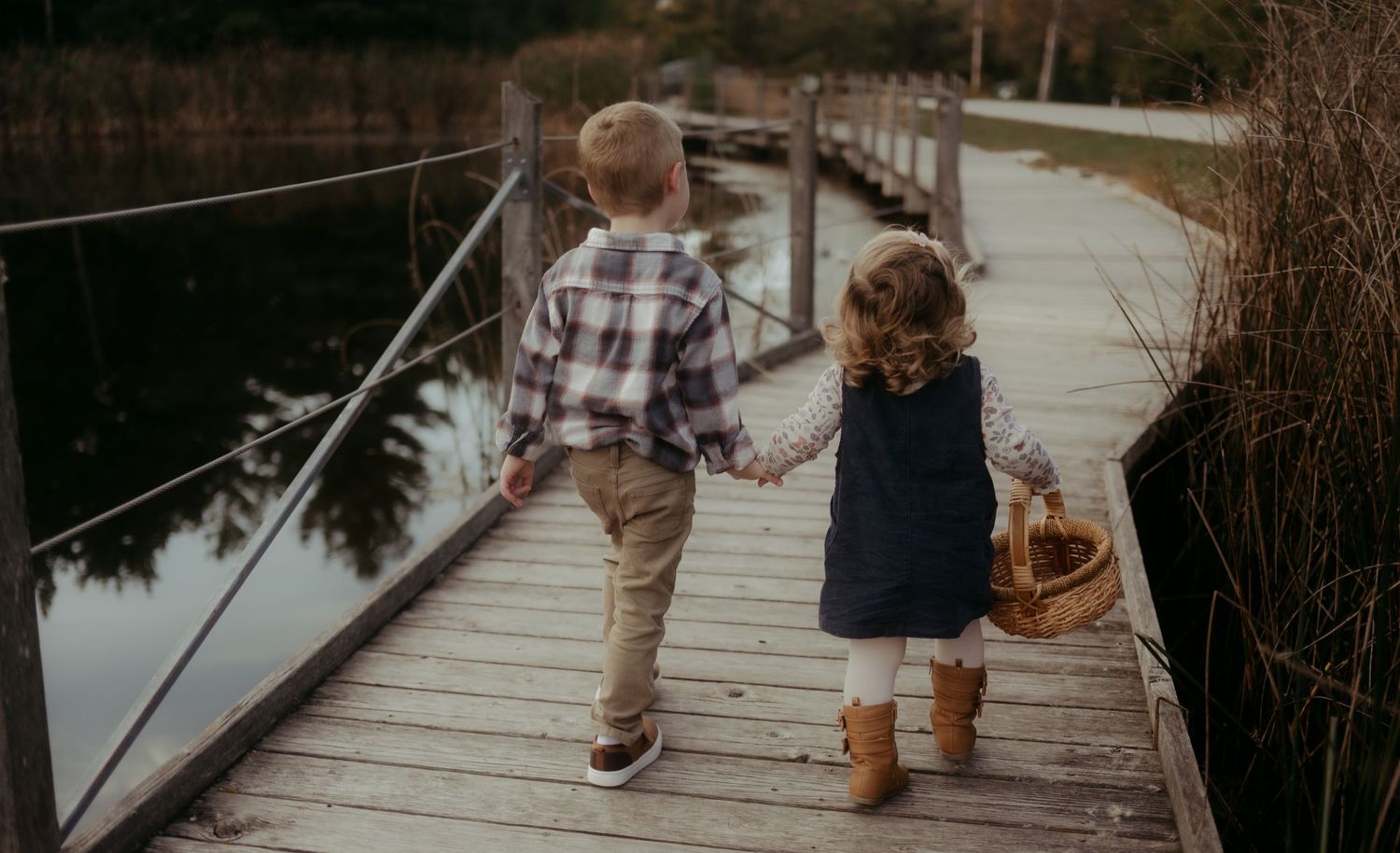
The Time of Day Changes Faces (Literally)
This one surprises people.
Midday sun doesn’t just create bright backgrounds. It changes expressions. Harsh overhead light makes people squint. It creates shadows under the eyes. It forces tension into the face without anyone realizing it.
Soft directional light — either early morning or the hour before sunset — does the opposite.
Golden hour light wraps instead of hits. It smooths contrast. Skin looks warmer because the light is lower and more diffused. Morning light feels clean and calm. Evening light feels warm and nostalgic.
Light isn’t just technical. It affects how comfortable people feel. And comfort shows up immediately in photos.
Clothing Is About Physics, Not Fashion
You don’t need trendy outfits; you need structure.
When everyone wears the exact same color, the image flattens. There’s no depth. When everyone wears loud, competing tones, the eye doesn’t know where to land.
What works best is layered neutrality with texture.
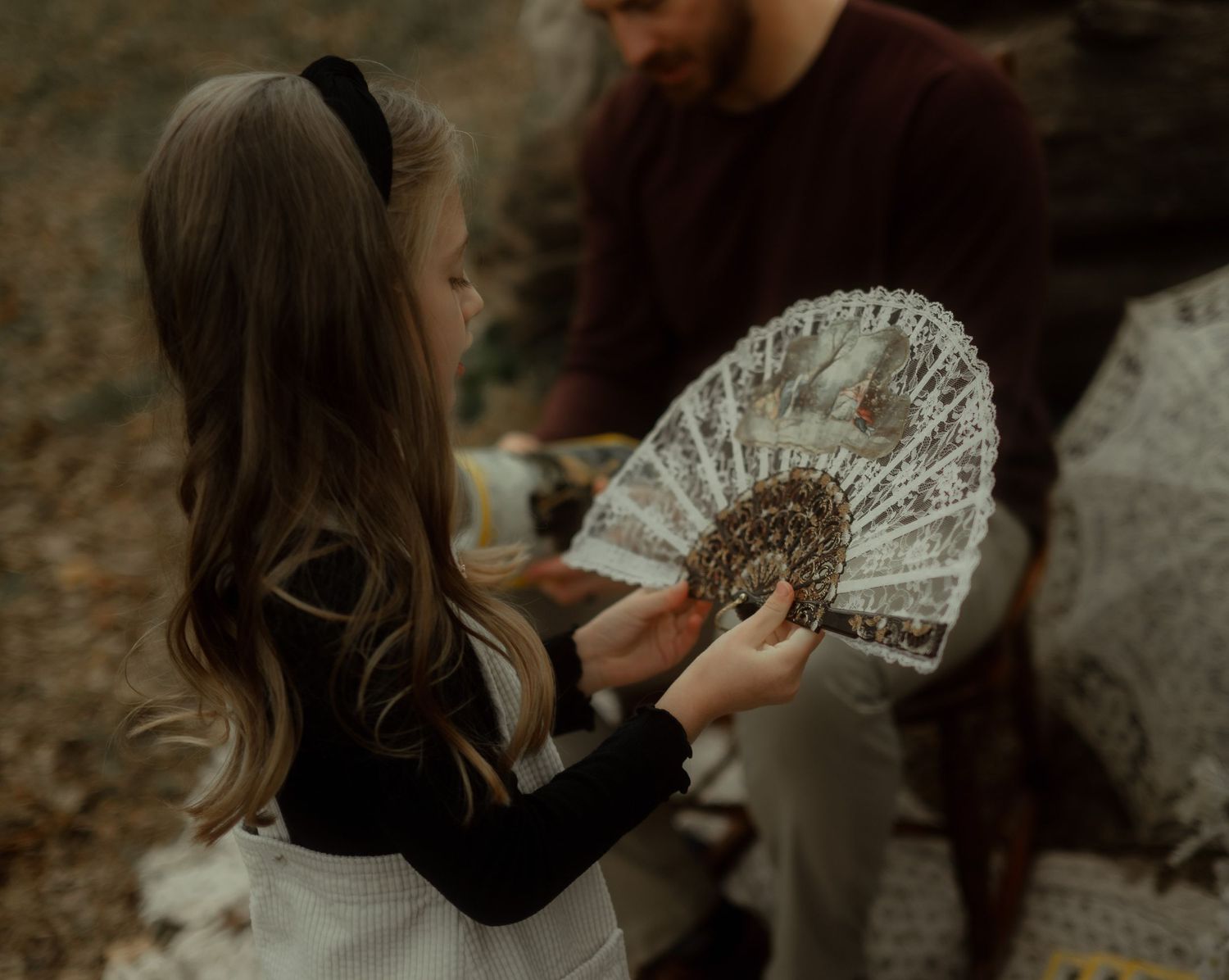
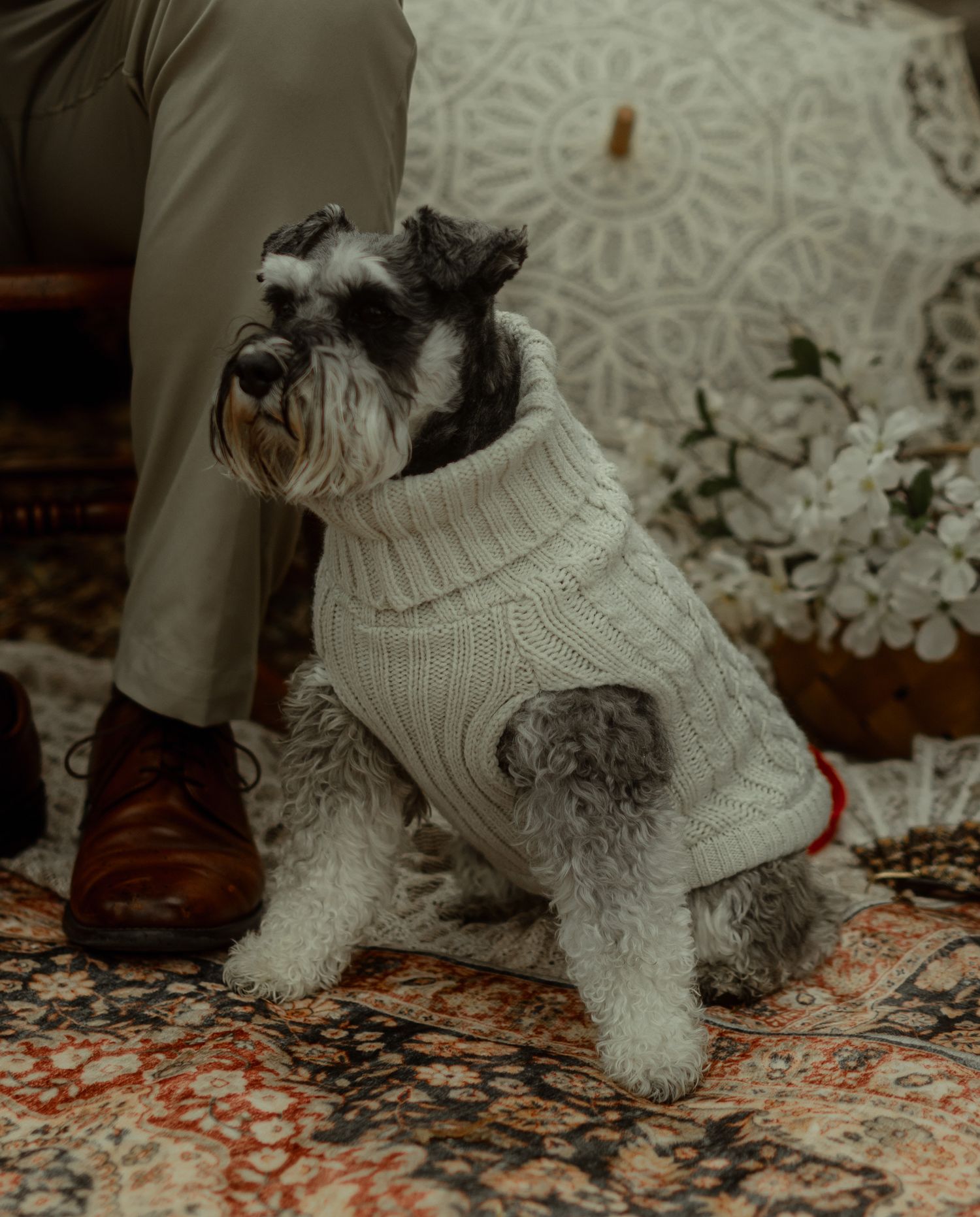
Knits. Linen. Flowy muslin. Structured cotton. These fabrics reflect light differently, which creates dimension without distraction.
And fit matters more than brand.
When clothing fits well, posture improves. Shoulders relax. Movement feels natural. That subtle shift changes the entire feel of a session.
This isn’t about buying new outfits. It’s about understanding how fabric interacts with light.

Kids Don’t Melt Down Because They’re “Bad at Photos”
They melt down because they’re overstimulated or restricted.
Young kids are wired for movement. Asking them to stand still in bright light under pressure goes against their biology.
Sessions that rely heavily on static posing often create tension.
Sessions that build in movement regulate energy instead of suppressing it.
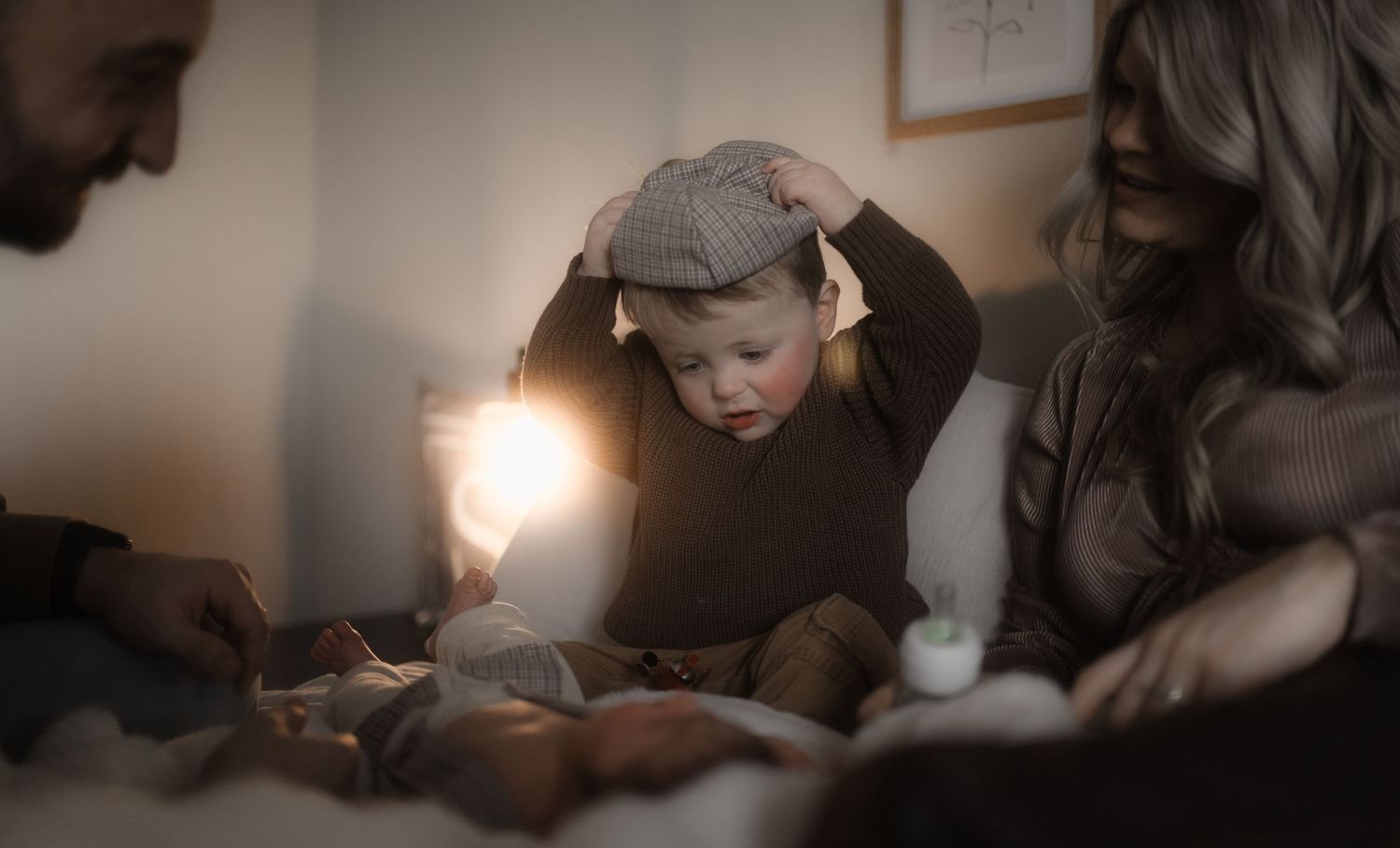
Walking together. Picking someone up. Sitting briefly, then shifting again. Letting them talk instead of demanding smiles. Doing an activity together or playing with an old film camera. When movement is allowed, real expressions show up naturally.
The goal isn’t control.
It’s rhythm.
The First 15 Minutes Set the Tone for Everything
Most families walk into a session slightly self-conscious.
That’s normal.
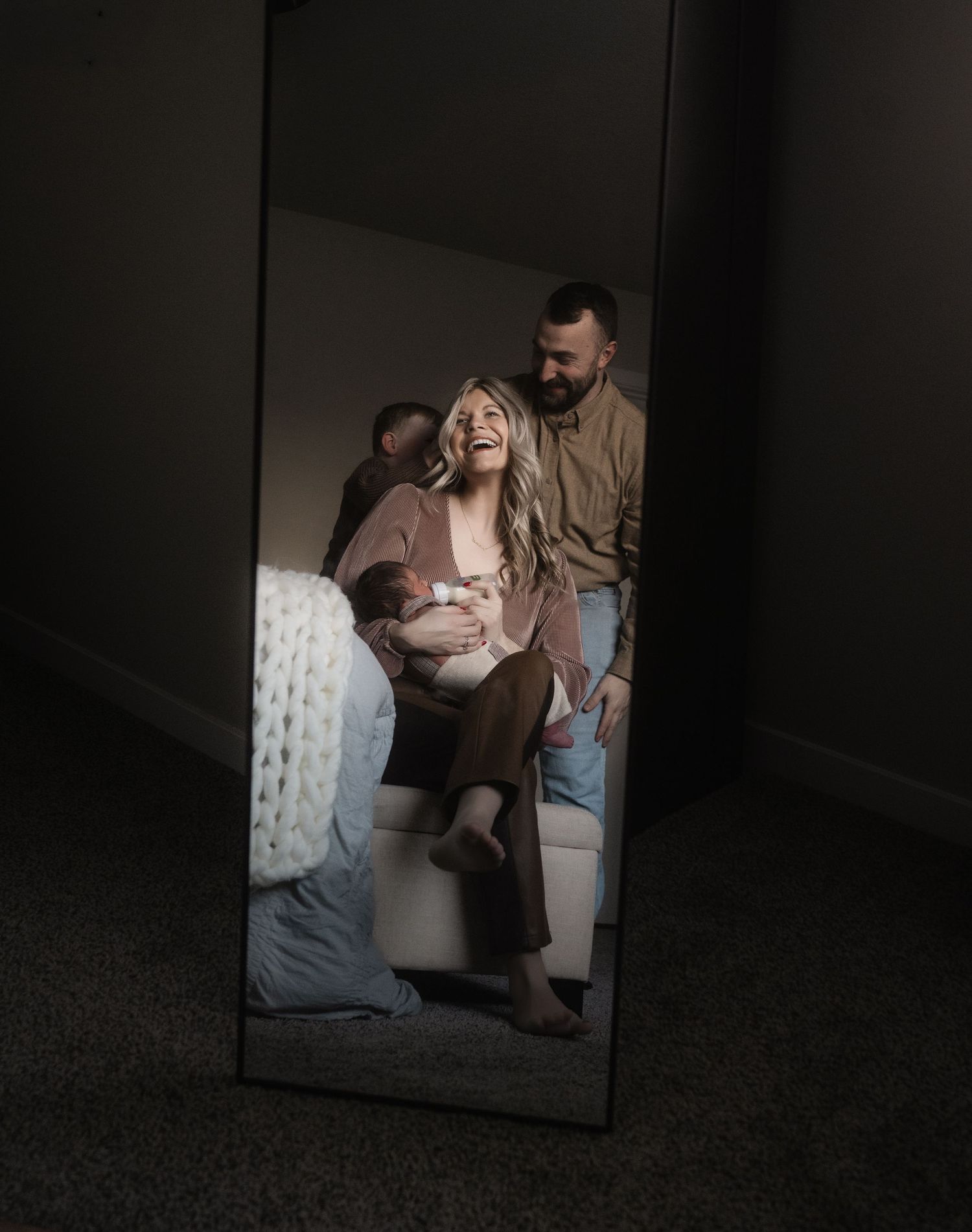
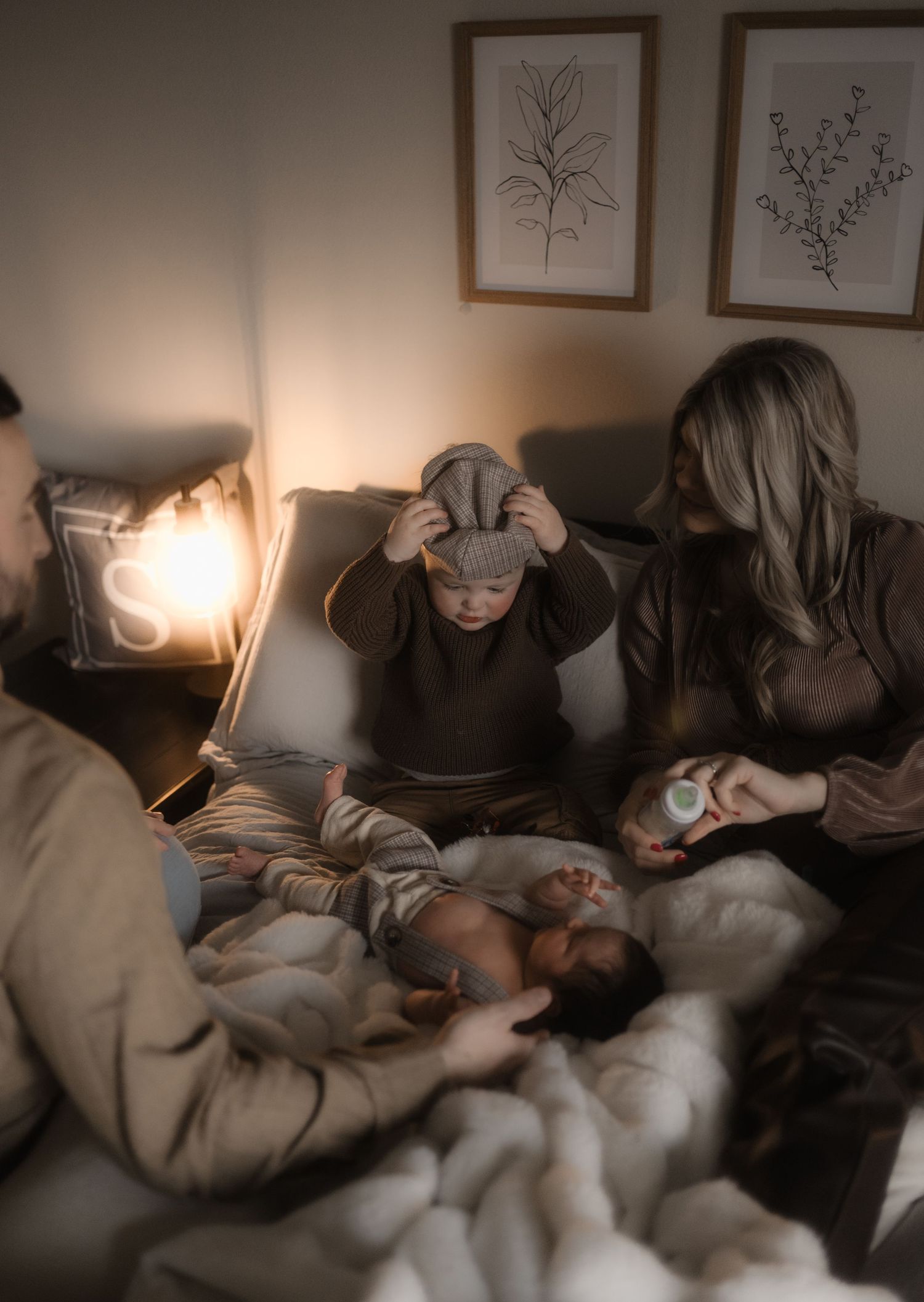
If the first instruction is “Stand here and smile,” everyone tightens up. If the first few minutes involve movement, conversation, and small wins, shoulders drop. By the middle of a well-paced session, something changes. People stop thinking about the camera. Proximity increases naturally. Laughter isn’t forced.
That shift is intentional.
A good session isn’t about capturing perfection. It’s about creating conditions where connection happens easily.
The photos are a byproduct of that environment.
What This Really Means
Incredible family photos don’t happen because everyone behaved.
They happen because:
- The season matched your energy.
- The light supported your comfort.
- The clothing created balance.
- Movement was built in.
- Pressure was removed early.
Most people assume great images are about luck. They’re not. They’re about small decisions that compound.
If you understand those decisions going in, the entire experience changes.
And when the experience changes, the photos follow.
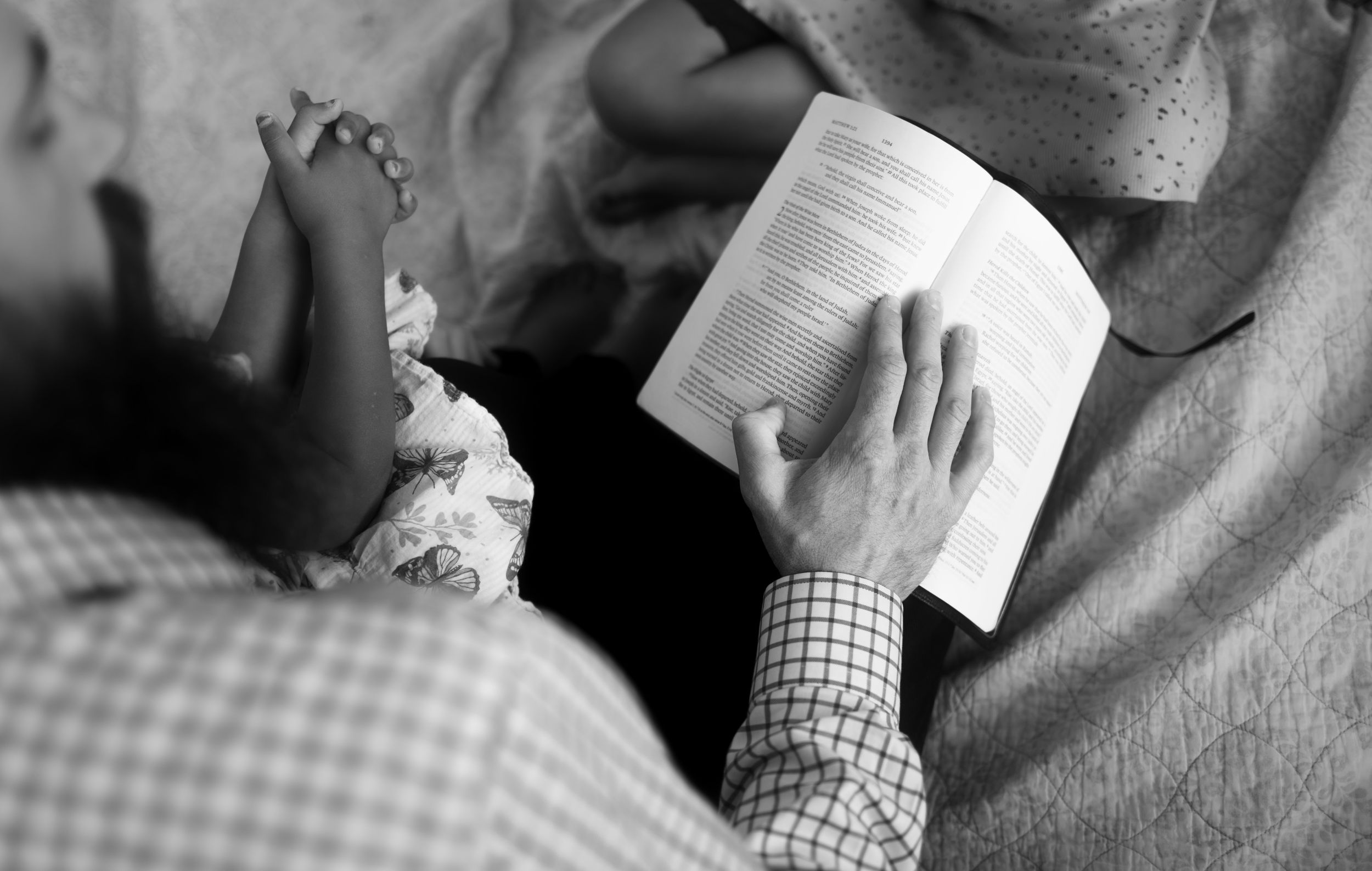
A closer look at how we plan, pace, and photograph families.
Thinking About Your Own Session?
If this gave you clarity or sparked ideas for your own photos, you can learn more about our family sessions here. We walk through how we approach light, pacing, preparation, and everything that helps it feel easy instead of stressful.